Tag Archive for: Millers for Nutrition

Private Sector Advances Action on Global Food Fortification at Hamburg Sustainability Convenings

Coalition leaders gather in Hamburg to strengthen partnerships and accelerate market-based solutions for improved nutrition.

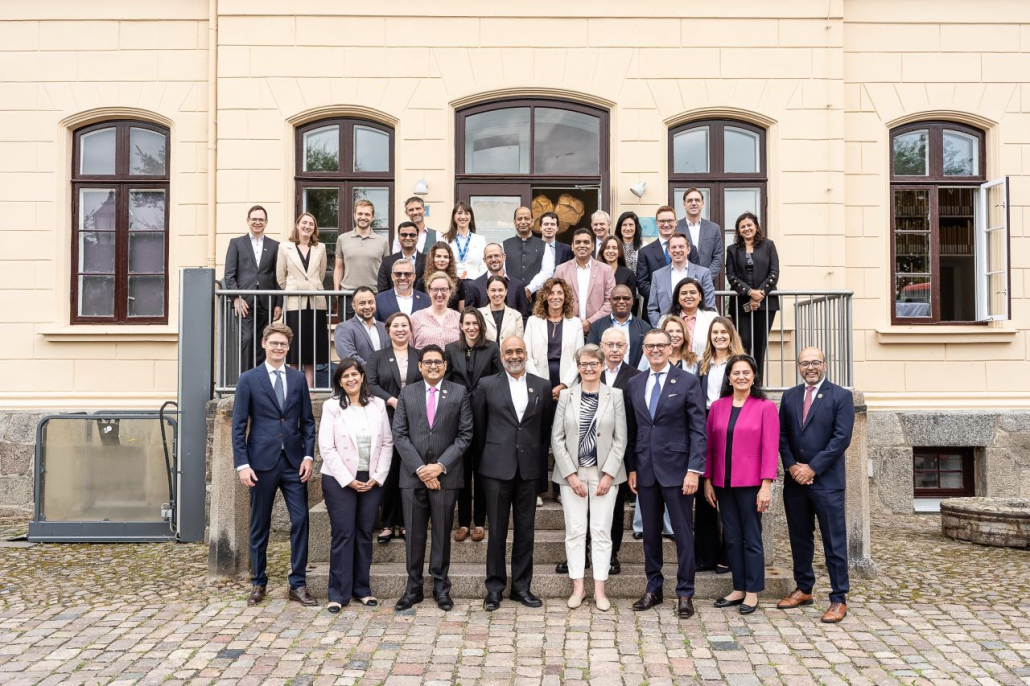
Hamburg, Germany — Millers for Nutrition joined global leaders in Hamburg to reinforce the role of food fortification as a critical solution to addressing hidden hunger and building more resilient food systems. During the Hamburg Sustainability Conference, the private sector-led coalition welcomed the Hamburg Call to Action on Catalyzing Large-Scale Food Fortification to End Child Malnutrition by 2030 and commended the leadership of the German Government in bringing together cross-sector partners and advancing concrete actions to accelerate large-scale food fortification, reaffirming its commitment to expanding access to nutritious staple foods through stronger public-private collaboration and sustainable market-driven approaches.

This comes at a time when food systems worldwide face increasing pressure to improve nutrition outcomes while ensuring affordability, accessibility, and long-term sustainability. The Hamburg Call to Action brings together governments, businesses, multilateral organizations, civil society, and development partners around a shared commitment to accelerate large-scale food fortification as an effective strategy to reduce micronutrient deficiencies and improve maternal and child nutrition.

Millers for Nutrition is a private sector-led coalition that works with food processors, governments, development organizations, and industry partners to make food fortification easier, more rewarding, and more sustainable. By supporting commercially viable fortification models and strengthening the broader enabling ecosystem, the coalition helps food processors consistently produce high-quality fortified staple foods that reach consumers through open markets.

“Food fortification has the power to improve millions of lives, but lasting progress can only be achieved through partnership,” said Torsten Wywiol, CEO of Stern-Wywiol Gruppe, whose Mühlenchemie business is a founding and strategic fortification partner of Millers for Nutrition. “The Hamburg Call to Action is an important signal that governments, businesses and development organisations are united behind a common goal. By combining science, entrepreneurship and international collaboration, we can build sustainable food systems that make nutritious staple foods accessible to more people around the world.”

The coalition’s endorsement was echoed by leaders from across the food industry, who emphasized the importance of coordinated action to combat hidden hunger.

“Hidden hunger is not a challenge for any one country to solve alone. It touches every region where staple foods fall short of the vitamins and minerals people need, and food fortification remains one of the most scalable ways to close that gap,” said Sanjeev Asthana, CEO of Patanjali Foods Limited and a Miller Advisor to Millers for Nutrition. “The Hamburg Call to Action rightly puts the first 1,000 days at the centre of this effort, because ensuring mothers and children get essential nutrients during this critical window can shape the health of entire generations. Building resilient food systems for the world’s most vulnerable communities will take governments, industry, and development partners working together, and platforms like the Hamburg Sustainability Conference are exactly where that collaboration needs to happen.”

Alongside the conference, Millers for Nutrition convened its Annual Coalition Meeting, hosted by Mühlenchemie, bringing together senior representatives from strategic fortification partners, ecosystem partners, the Gates Foundation, and coalition leadership. The meeting provided an opportunity to reflect on the coalition’s progress, share lessons from implementation across Africa and Asia, and identify priorities for expanding the impact of market-led food fortification.

Discussions focused on strengthening trusted partnerships across the food system, improving enabling market conditions, and supporting commercially sustainable business models that encourage long-term investment in quality food fortification. Participants also explored opportunities to deepen collaboration, accelerate innovation, and expand technical support to food processors as demand for fortified staple foods continues to grow.

“The progress we’ve seen isn’t simply reflected in the numbers,” said Rizwan Yusufali, Program Director of Millers for Nutrition. “It’s reflected in the trusted relationships we’ve built with more than 900 millers, allowing the coalition to understand their challenges, respond with targeted, data-driven support, and create practical solutions that make quality fortification both achievable and sustainable. Those partnerships are what ultimately transform markets and enable millions more people to access nutritious staple foods.”

As the coalition continues its work across Africa and Asia, Millers for Nutrition remains committed to advancing practical, market-based solutions that empower food processors, strengthen food systems, and improve access to fortified staple foods. The coalition’s endorsement of the Hamburg Call to Action reflects a shared belief that ending hidden hunger will require sustained collaboration across governments, industry, and development partners—and that resilient, nutrition-sensitive markets are essential to achieving that goal.

Millers for Nutrition Advances Tanzania’s Food Fortification through Strategic Industry Engagement

TechnoServe’s Millers for Nutrition program strengthens Tanzania’s food fortification ecosystem. Recent initiatives foster deep collaboration between government, industry, and development partners while building local technical capacity.

Uniting Stakeholders: The 40th TFFA Meeting
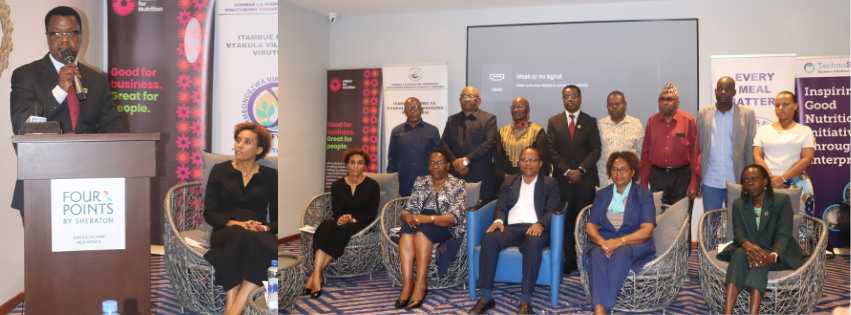
M4N powered the 40th Tanzania Food Fortification Alliance (TFFA) Meeting. By sponsoring the three-day conference, M4N provided a vital platform for government, industry, and civil society to align on national nutrition priorities.

At the event, Millers for Nutrition shared data from its latest product testing survey to improve program monitoring. TechnoServe also funded lab costs for a national premix survey. This meeting saw the launch of the National Food Fortification Guidelines and the NSMIS digital dashboard, a new tool that enables real-time regulatory oversight and compliance monitoring.

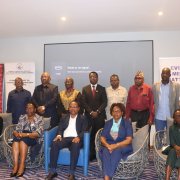
Participants and speakers at the 40th Tanzania Food Fortification Alliance (TFFA) Meeting

Empowering Industry through Targeted Messaging
Consumer awareness drives demand. To support this, Millers for Nutrition hosted a two-day workshop for sales and marketing professionals from major wheat and oil mills.

In collaboration with the Ministry of Health and dsm-firmenich, consultants from Nendo Ltd equipped participants with evidence-based marketing skills. Industry professionals learned to integrate fortification into their distribution strategies, directly linking their products to better consumer health.

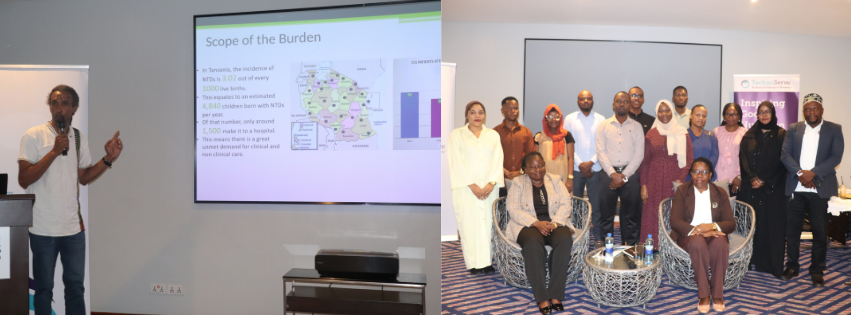
Sales and marketing professionals from major wheat and oil mills participate in a two-day workshop on food fortification nutritional messaging, organized by Millers for Nutrition in collaboration with the Ministry of Health and dsm-firmenich.

Building Sustainable Nutrition
These initiatives highlight Millers for Nutrition’s role in convening leaders, generating evidence, and improving the availability of fortified foods. By investing in policy and consumer communication, Millers for Nutrition builds a more sustainable food ecosystem for Tanzania.

Miller in the Spotlight: How Dr. Harjinder Modi is Advancing Food Fortification at Dufil Group

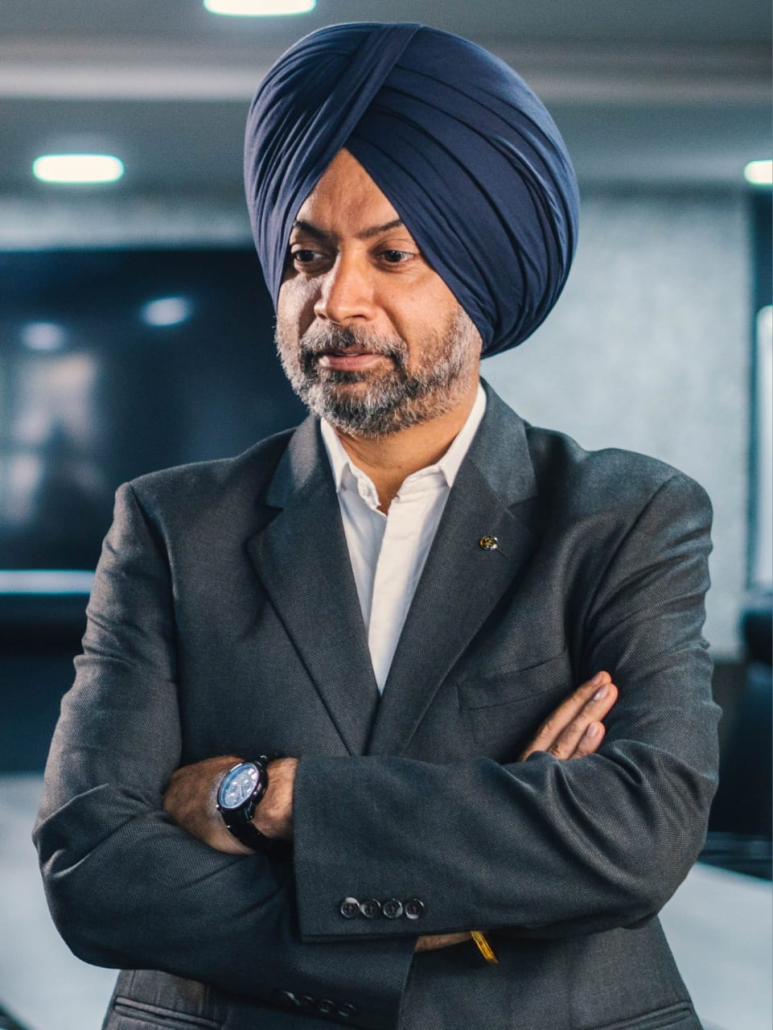
Millers for Nutrition celebrates the individuals transforming food systems. In this edition of Miller in the Spotlight, we feature Dr. Harjinder Modi, Head of Quality (Corporate) at Dufil Group, whose career is defined by an unwavering commitment to innovation and nutritional excellence.

“Dr. Harjinder Modi exemplifies the leadership required to advance food fortification at scale. His commitment to quality, innovation, and continuous improvement strengthens food quality systems and improves access to safe, nutritious food for millions.”
— Millers for Nutrition Team

With a 22-year career spanning pharmaceuticals, cosmetics, and food, Dr. Modi has strengthened quality systems and protected brand reputations for global organizations including Dabur, Mars Wrigley, Heinz, Olam, and Twellium.

His milestones include establishing greenfield laboratories at Dabur, optimizing process controls at Mars Wrigley, implementing Quality systems at Heinz and critical quality assurance functions across West Africa for Olam and Twellium.

At Dufil Group, Dr. Modi now champions operational excellence to drive business performance and consumer wellbeing, prioritizing meaningful impact through continuous growth.

“Learning something new every day, implementing advanced systems, and managing people are my true motivators. I find the greatest reward in creating value for both businesses and individuals.”

His passion for food fortification grows from a deep understanding of the role nutrition plays in human health and development. He anchors his belief in the idea that proper nutrition builds the foundation for healthier lives and stronger communities.

This belief fuels his commitment to tackling malnutrition, particularly in Africa, where micronutrient deficiencies continue to impact millions of lives. He sees food fortification as one of the most practical, scalable, and impactful solutions for improving public health.

Dr. Modi’s collaboration with Millers for Nutrition and the Micronutrient Fortification Index (MFI) represents a strategic alignment of technical expertise and shared purpose.

“Millers for Nutrition’s commitment and passion towards the MFI deeply impressed me. They bring technical expertise, and we bring strategic intention, it is a perfect fit.”

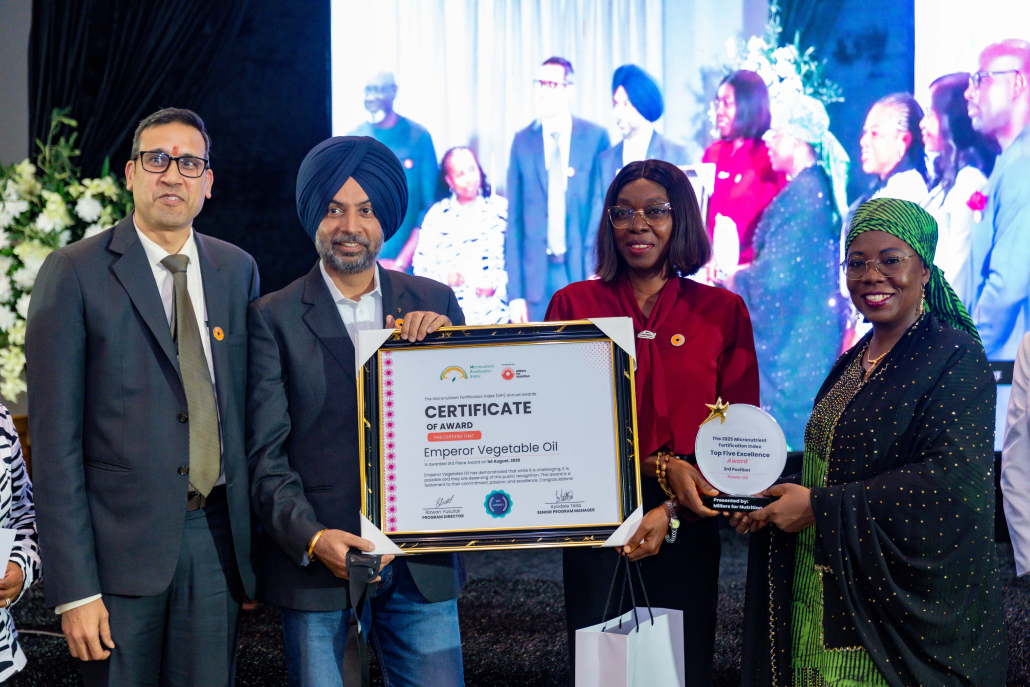
Dr. Harjinder Modi and Raggesh Gaggar (far left) receiving the 3rd Place Award for Emperor Vegetable Oil in the 2025 Micronutrient Fortification Index (MFI) Top Five Excellence category.

While industry progress is encouraging, Dr. Modi advocates for continued investment in certified laboratories and skilled professionals to deepen the impact of fortification efforts.

Guided by integrity and ethics, Dr. Modi’s leadership reminds us that dedicated individuals are the catalyst for progress. Every fortified product represents a commitment to quality and healthier communities.

“Integrity and ethics are my ultimate core values. When you anchor your work in ethical behaviour, every other virtue naturally follows.”

Outside work, Dr. Modi enjoys spending quality time with family, engaging with people from diverse backgrounds, and watching documentaries that broaden his perspective and understanding of the world.

Dr. Modi’s story is a powerful reminder that meaningful progress in food fortification depends on dedicated leaders who take action every day. Behind every fortified product is a commitment to quality, better nutrition, and healthier communities.

At Millers for Nutrition, we remain inspired by changemakers like Dr. Harjinder Modi, who continues to strengthen food quality and safety systems, improve nutrition outcomes, and transform lives, one fortified product at a time.

Millers for Nutrition Bangladesh Country Conclave 2026 Strengthens Public–Private Collaboration for Food Fortification

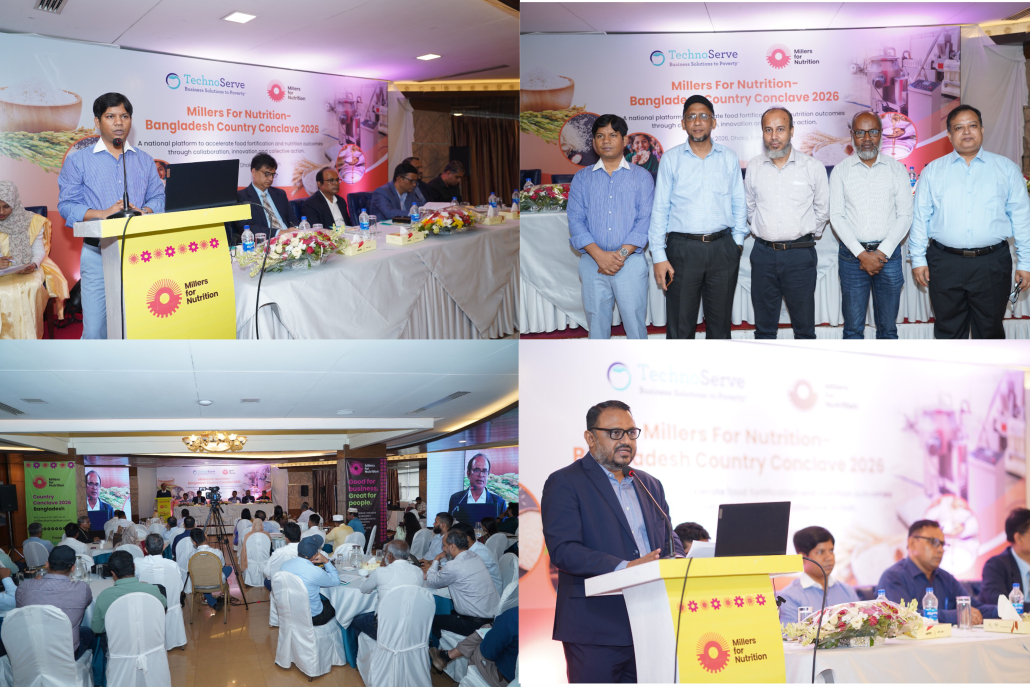
The Millers for Nutrition Bangladesh Country Conclave 2026 marked an important milestone in advancing food fortification and improving access to safe, nutritious food across Bangladesh. Hosted in Dhaka by Millers for Nutrition, powered by TechnoServe, the conclave brought together a diverse group of stakeholders from government, industry, academia, development partners, and the milling sector.

The conclave served as a national platform to align on a shared agenda for scaling sustainable food fortification through stronger public–private collaboration. Discussions focused on enhancing regulatory compliance, strengthening Food Safety Management Systems (FSMS), and accelerating the adoption of innovation—including automation and artificial intelligence—within Bangladesh’s food processing sector. Participants also emphasized the need for coordinated, multi-stakeholder action to address industry challenges and deliver measurable nutrition outcomes.

The event was honored by the participation of senior leadership from the Directorate General of Food, along with key regulators, industry associations, food manufacturers, universities, and development organizations. Strategic fortification partners and global nutrition experts reaffirmed their commitment to providing technical expertise and long-term support to strengthen Bangladesh’s food fortification ecosystem.

As highlighted during the closing session, achieving nutrition at scale will require sustained collaboration, strong private sector leadership, and continued investment in food safety and fortification systems.

The conclave concluded with a renewed collective commitment to building a resilient, innovative, and inclusive food fortification ecosystem for Bangladesh—underscoring that meaningful nutrition impact begins with strong partnerships.

Market-Led Nutrition Gains Momentum as Three Fortified Rice Brands Launch in Uttar Pradesh

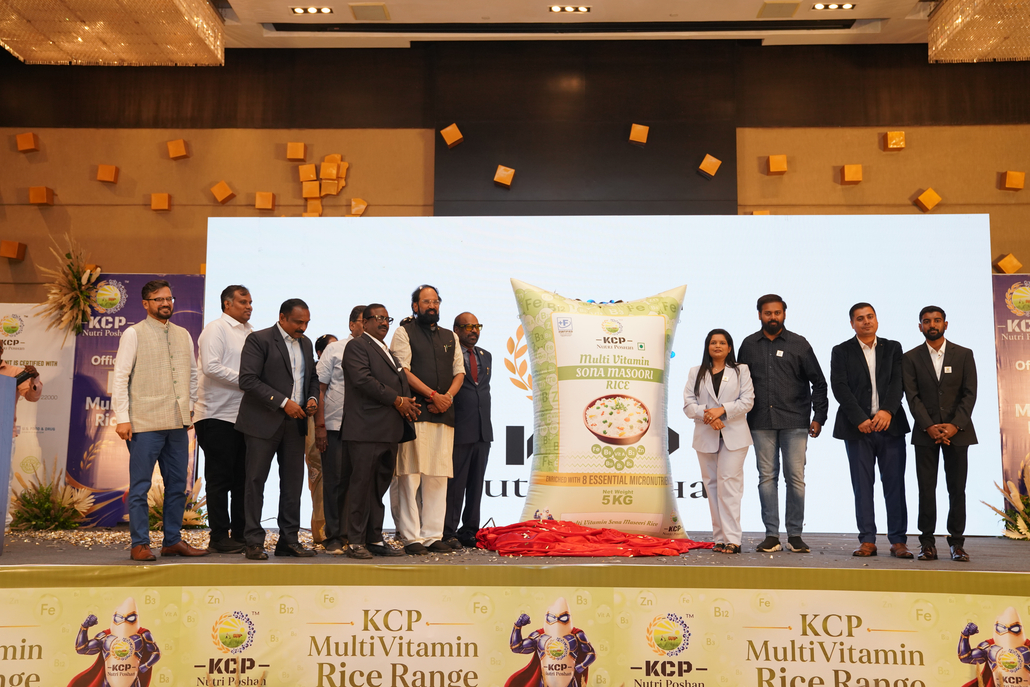
Market-led nutrition efforts in India received a significant boost with the launch of three fortified rice brands at the industry workshop “Unlocking Market Potential: Advancing Fortified Rice in Uttar Pradesh”, held in Lucknow. The launches mark an important milestone in expanding consumer access to fortified staple foods through open markets and strengthening efforts to address micronutrient deficiencies across the state.

The newly unveiled brands include Nutri Pro Rice by VistaarX, SRS Nutri Crown Fortified Rice by Shree Ram Foods, and Grainova Poshan Rice by Jain Industries. Each product is fortified with five essential micronutrients—Iron, Zinc, Vitamin B3, Vitamin B9 (Folic Acid), and Vitamin B12—designed to improve everyday nutrition through one of India’s most widely consumed staple foods.

The launch event was graced by Satish Chandra Sharma, Honourable Minister of State for Food, Civil Supplies and Consumer Affairs, Government of Uttar Pradesh, along with senior officials from the Department of Food and Civil Supplies, Food Safety and Drug Administration, representatives from academia, industry, and development organizations.

Speaking at the event, Monojit Indra, Senior Practice Leader at TechnoServe and Program Lead, Millers for Nutrition Asia, highlighted the importance of expanding fortified foods through commercial channels. He noted that while fortified rice has already demonstrated strong impact through public distribution and social safety net programmes, wider availability in retail markets can significantly increase consumer access to improved nutrition. He added that Uttar Pradesh has emerged as a key state in advancing rice fortification, and the leadership shown by local millers reflects growing industry commitment to nutrition.

Abhishek Shukla, Country Program Manager, Millers for Nutrition India, said the introduction of these brands demonstrates how millers can play a transformative role in improving nutrition while building sustainable businesses. He emphasized that through technical assistance, capacity building, and market development support, Millers for Nutrition is enabling millers to create high-quality fortified food products aligned with evolving consumer needs, and welcomed the growing momentum in Uttar Pradesh.

Highlighting the government’s perspective, Shri Satish Chandra Sharma said, “The launch of these fortified rice brands is a commendable step towards strengthening nutrition security in Uttar Pradesh. Food fortification is a practical and effective solution to address micronutrient deficiencies, particularly among vulnerable populations. I appreciate the efforts of Millers for Nutrition, powered by TechnoServe, for working closely with rice millers, industry stakeholders, and government partners to promote the adoption of fortified staples across the state. Their support in building technical capacity, creating awareness, and encouraging market-based solutions is helping transform nutrition goals into meaningful action. Such collaborative initiatives will play an important role in ensuring that nutritious food reaches more households and contributes to a healthier and stronger Uttar Pradesh.”

The workshop brought together policymakers, food industry leaders, nutrition experts, development partners, and rice millers to discuss the expanding role of food fortification in improving public health outcomes while creating sustainable business opportunities for the food processing sector.

Industry leaders Rishabh Jain, Director, VistaarX; Shubhanshu Shukla, Director, Shree Ram Foods; and Tarun Goyal, Partner, Jain Industries, underscored the importance of fortified rice in addressing micronutrient deficiencies through everyday diets. They noted that the launch of Nutri Pro Rice, SRS Nutri Crown Fortified Rice, and Grainova Poshan Rice reflects a shared commitment to delivering high-quality, nutritious rice products that meet changing consumer expectations. They further emphasized that rice, as a staple consumed by millions of households, offers an effective vehicle for delivering essential micronutrients without requiring changes in eating habits.

The programme also featured technical sessions on rice fortification, discussions on Uttar Pradesh’s experience in scaling fortified rice, and a panel discussion involving government representatives, scientists, industry leaders, and nutrition experts. The convening concluded with a shared commitment to strengthen collaboration between industry, government, and development partners to accelerate awareness, adoption, and scale-up of fortified staples across Uttar Pradesh.

Panchamrutha Industries Launches Fortified Rice Range with 9 Essential Micronutrients in Karnataka

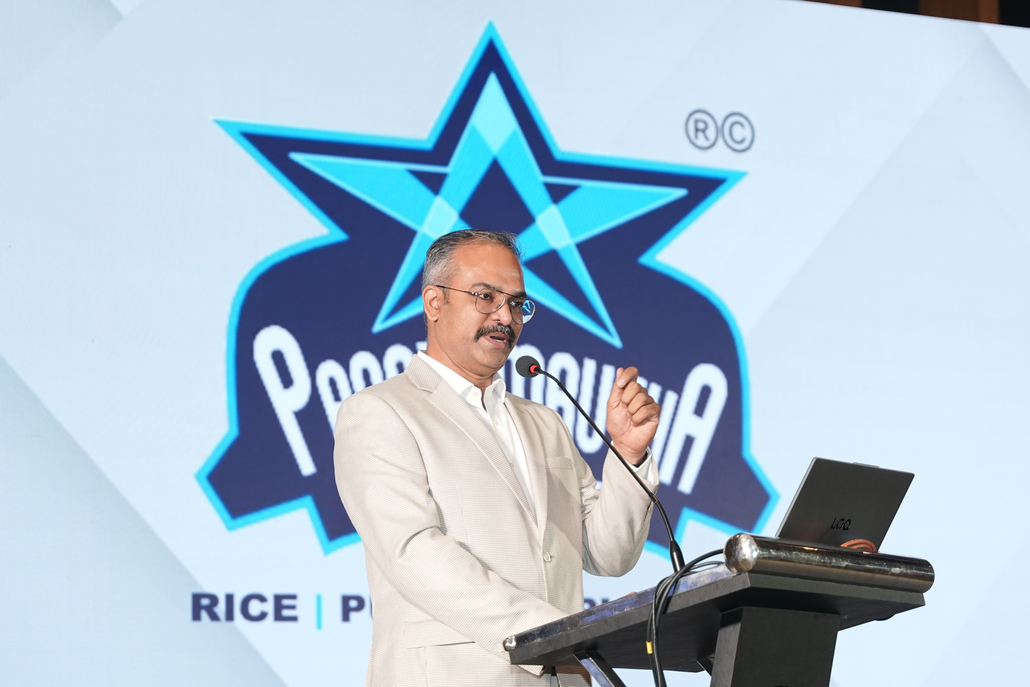
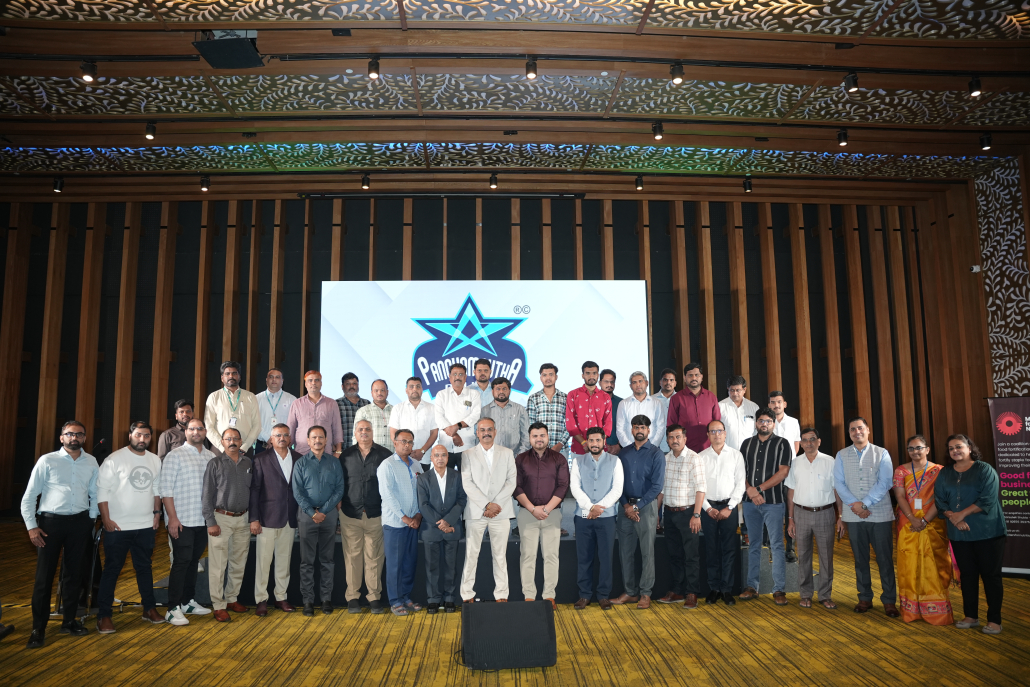
Panchamrutha Industries Pvt. Ltd., in collaboration with Millers for Nutrition powered by TechnoServe, today announced the launch of Panchamrutha Deluxe Fortified Rice, enriched with nine essential vitamins and minerals, at a special industry workshop titled “Unlocking Market Potential: Advancing Fortified Rice in Karnataka” held in Bengaluru.

The newly launched fortified rice is enriched with Vitamins A, B1, B2, B3, B6 and B12, along with key minerals including Iron, Folic Acid and Zinc. The initiative underscores Panchamrutha Industries’ commitment to strengthening nutrition security by integrating essential micronutrients into a staple food consumed daily by millions of households.

The launch event brought together representatives from government bodies, nutrition scientists, healthcare professionals, food fortification experts, rice millers, and industry stakeholders to deliberate on the growing role of fortified staples in addressing micronutrient deficiencies and combating hidden hunger in India.

With a strong footprint across South India, Panchamrutha Industries has transitioned from a traditional grain business into a nutrition-led FMCG company focused on fortified staples and health-oriented food products. Operating from its advanced processing facility in Dharwad, with a production capacity exceeding 300 tonnes per day, the company combines modern fortification technology with its vision of making quality nutrition accessible to every household.

Speaking at the launch, Jambulingappa Hosmani, Managing Director, Panchamrutha Industries Pvt. Ltd., highlighted the public health relevance of fortified staples. He cited data from the National Family Health Survey (NFHS-5), noting that anaemia affects a significant proportion of children, adolescent girls and women of reproductive age in India. He emphasized that staple foods can play a transformative role in improving nutrition outcomes and said the launch of Panchamrutha Deluxe Fortified Rice aligns with the company’s goal of making nutrition a standard feature in everyday diets rather than a premium offering.

Panchamrutha Industries entered the fortified rice segment in 2023 with a focus on affordability and accessibility, offering fortified staples to consumers without additional cost. The fortified rice range is designed to retain the same taste, aroma and cooking characteristics as regular rice, while delivering enhanced nutritional value.

Highlighting the scientific importance of rice fortification, Dr. Usharani Dandamudi, Scientist F, Department of Food Safety and Analytical Quality Control Laboratory, CSIR-CFTRI, said rice fortification represents one of the most practical and scalable solutions to address micronutrient deficiencies in India, where rice is a dietary mainstay. She added that wider awareness and adoption of fortified staples can contribute significantly to building healthier communities.

Echoing this perspective, Pallavi Idooru, clinical nutritionist and diet influencer, noted that iron deficiency and anaemia continue to disproportionately affect women, particularly adolescent girls, pregnant women and young mothers. She said fortified rice can meaningfully support improved nutritional intake and maternal health when consumed regularly as part of a balanced diet.

India continues to face a substantial burden of hidden hunger, with iron deficiency and anaemia impacting millions of women and children nationwide. Fortified rice is increasingly being recognized as an effective and scalable intervention to improve nutrition security by delivering essential vitamins and minerals through a food consumed daily across socio-economic groups.

Speaking on the importance of industry leadership in food fortification, Abhishek Shukla, Country Program Manager – India, Millers for Nutrition, said rice’s universal consumption makes it one of the most effective vehicles for delivering improved nutrition at scale. He noted that the launch of Panchamrutha Deluxe Fortified Rice marks an important step in expanding consumer access to fortified staples and strengthening industry participation in India’s nutrition journey.

The workshop featured discussions on food fortification policies, regulatory frameworks, micronutrient stability in fortified rice, and collaborative approaches to scaling nutrition impact. The programme concluded with a shared emphasis on the need for continued collaboration between industry, policymakers, nutrition experts and development organizations to accelerate awareness and adoption of fortified foods in the open market.

National Convening of Industry Leaders Charts Collaborative Roadmap to Scale Staple Food Fortification in India

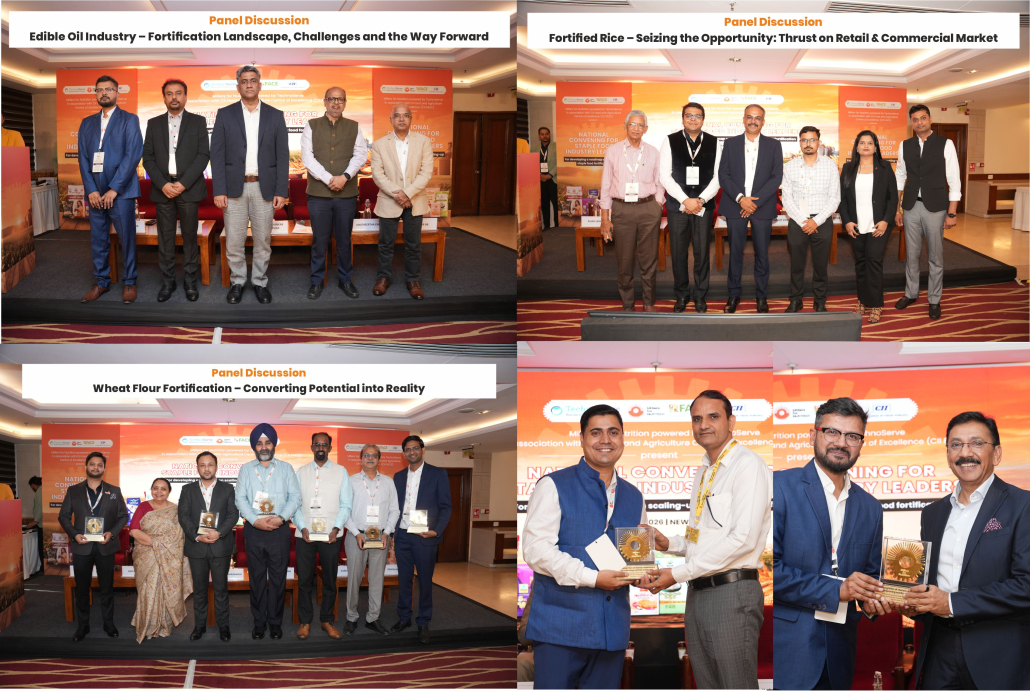
In a major step towards addressing hidden hunger and micronutrient deficiencies, Millers for Nutrition, powered by TechnoServe, in collaboration with the CII Food and Agriculture Centre of Excellence (CII FACE), convened senior policymakers, food industry leaders, millers, nutrition experts, and development sector stakeholders at the National Convening of Staple Food Industry Leaders for Developing a Roadmap on Scaling-Up Staple Food Fortification. The convening was held at India Habitat Centre, New Delhi.

The national forum emerged as a critical platform for strengthening industry-wide collaboration and shaping a pragmatic, market-led roadmap to accelerate the large-scale adoption of fortified staple foods across key categories including edible oil, rice, and wheat flour. Deliberations focused on enhancing industry participation, improving consumer awareness and trust, expanding retail and commercial uptake, and building sustainable solutions to address malnutrition at scale.

Speaking at the convening, Monojit Indra, Senior Practice Leader at TechnoServe and Program Leader, Millers for Nutrition Asia, underscored the importance of collective action. He noted that while India has made notable progress in advancing staple food fortification, addressing hidden hunger at scale will require deeper collaboration across the food industry ecosystem. He added that the convening helped foster stronger alignment among industry leaders, development partners, and policymakers to accelerate adoption and deliver sustained nutrition impact.

A key outcome of the discussions was the shared recognition that food fortification must evolve from being viewed primarily as a policy-driven intervention to becoming a mainstream industry movement. Participants emphasized the need for greater innovation, stronger consumer engagement, improved technical support for millers, enhanced accessibility of fortified foods, and better alignment on quality and fortification standards to build long-term consumer confidence.

Highlighting the significance of the convening, Abhishek Shukla, Country Program Manager, Millers for Nutrition India, said the discussions reaffirmed the transformative role fortification can play in strengthening India’s nutrition security. He noted that the collective commitment demonstrated by stakeholders reflected growing momentum toward scaling fortified staples through market-led approaches, industry partnerships, and increased consumer awareness.

The convening brought together senior government officials and industry leaders, including representatives from the Food Safety and Standards Authority of India (FSSAI), as well as leaders from major food and agri-business organizations such as Patanjali Foods, AWL Agri Business, Mother Dairy Fruit and Vegetables, and Kaleesuwari Refinery, among others.

Discussions highlighted the expanding role of the private sector in integrating nutrition into mainstream packaged foods and scaling commercially viable fortification solutions capable of delivering long-term public health benefits. The convening concluded with a shared commitment to deepen cross-sector collaboration, promote excellence in fortification, support capacity-building for food processors and millers, and advance actionable pathways to scale fortified staple foods across India.

Sree Sai Roller Flour Mills Expands Retail Portfolio with Launch of MINAR Fortified Protein Plus MultiGrain Atta

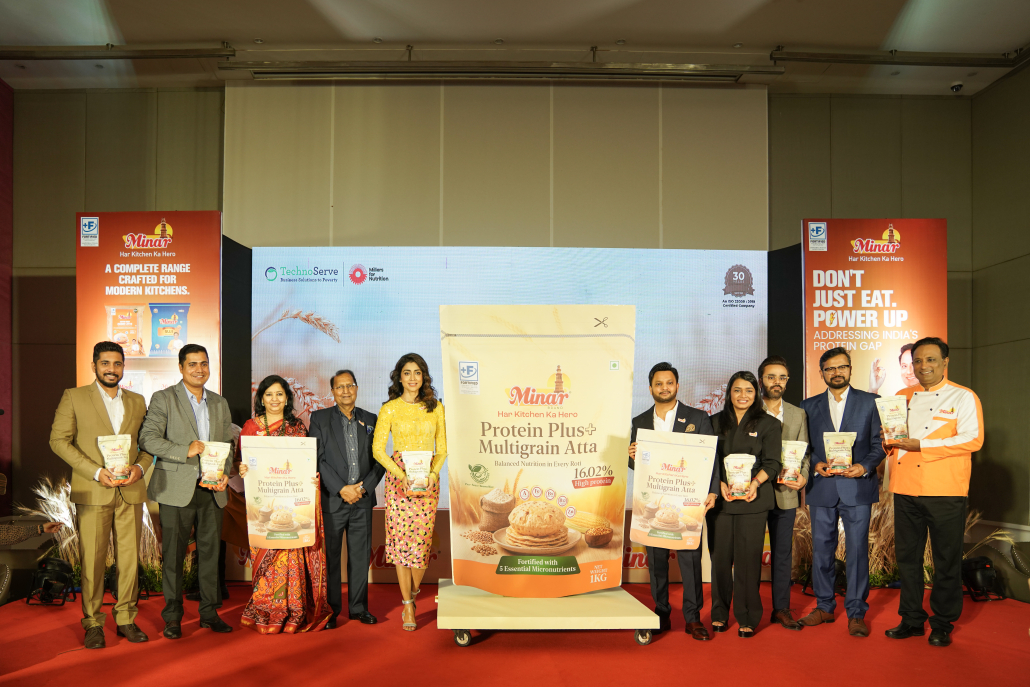
Sree Sai Roller Flour Mills Pvt. Ltd. (SSRFM), a leading name in India’s wheat milling industry for over three decades, has announced the launch of MINAR Fortified Protein Plus MultiGrain Atta, its most nutritionally advanced flour to date. The launch marks a significant step in the company’s retail growth strategy, bringing its deep expertise in grain processing directly to consumers through a health-focused everyday staple.

The product was unveiled in Hyderabad in the presence of film actress Shriya Saran and brand ambassador Chef Sanjay Thumma, signaling SSRFM’s accelerated entry into the Health & Lifestyle foods segment. With this addition to its MINAR brand portfolio, the company aims to redefine the daily roti by enhancing it with functional nutrition tailored for modern, health-conscious households.

Positioned as the “gold standard” within the MINAR range, Fortified Protein Plus MultiGrain Atta is designed to bridge traditional diets with functional wellness. The product delivers up to 50% higher protein than regular wheat flour, with just three rotis providing nearly one-third of an adult’s daily protein requirement. It is made from a scientifically developed blend of premium Sharbati wheat, soy, maize, and chana, further enhanced with plant-based protein isolates from soy, pea, and brown rice. In addition, the atta is fortified with essential micronutrients including Iron, Folic Acid, Vitamin B12, Zinc, and Vitamin A to help address micronutrient deficiencies and support immunity.

Commenting on the launch, Ramprakash Nagori, Managing Director, Sree Sai Roller Flour Mills, said the new product reflects the company’s evolving understanding of consumer needs. “After 30 years in the industry, we know that consumers today are looking for more than just flour. By strengthening our portfolio with this premium, nutrition-forward variant, we are working to make meaningful nutrition accessible to everyday Indian kitchens,” he said.

Aditya Bansal, Executive Director, SSRFM, highlighted the research-led approach behind the product. “This launch is the outcome of extensive R&D by our food technologists focused on high-protein diets. It offers a simple way to improve nutrient intake without changing eating habits, especially for growing children, working professionals, and fitness enthusiasts,” he noted.

Monojit Indra, Senior Practice Leader at TechnoServe and Program Lead, Millers for Nutrition Asia, emphasized the broader nutrition impact of such innovations. He said fortified staples like wheat flour offer a powerful opportunity to address protein gaps and micronutrient deficiencies at scale, adding that initiatives such as MINAR Fortified Protein Plus MultiGrain Atta demonstrate how scientific formulation and everyday accessibility can come together to reduce hidden hunger.

Echoing this perspective, Abhishek Shukla, Country Program Manager, Millers for Nutrition, India, said staple food fortification remains one of the most effective strategies to tackle micronutrient deficiencies across populations. He noted that nutrition-focused innovations led by millers can play a critical role in improving community health outcomes across India.

MINAR Fortified Protein Plus MultiGrain Atta will be available in 1 kg packs across grocery stores, supermarkets, and e-commerce platforms. The rollout will initially focus on Hyderabad, Telangana, and southern markets, followed by a phased expansion nationwide. While positioned at a slight premium to regular atta, the product is designed to remain accessible while offering enhanced nutritional benefits.

Miller in Spotlight – Mr. Cheran K, CEO – Kaleesuwari Refinery Pvt. Ltd.

Q. Kaleesuwari has been a household name for over five decades. What was the defining moment that led the company to transition from being a provider of ‘pure oil’ to becoming a champion of ‘fortified nutrition’ through initiatives like the Vita D3+ campaign?

For over five decades, Kaleesuwari built its reputation on purity and trust. However, as we engaged more deeply with consumers, nutrition experts, and public-health stakeholders, one reality became clear — India’s hidden hunger, especially Vitamin A and D deficiency, cannot be addressed by availability of food alone; it requires nutrient-enriched staples.
Edible oil is consumed daily across socio-economic segments and geographies. That makes it a powerful and scalable nutrition delivery vehicle. This insight became the defining moment for us. The Vita D initiative was therefore not just a product upgrade, but a purpose-led transition — from being a provider of pure oil to becoming a partner in preventive nutrition.
It aligns perfectly with our long-standing philosophy: what reaches the consumer’s kitchen must improve their wellbeing, not just meet a functional need.

Q. What is the biggest challenge Kaleesuwari has faced in EO fortification?


The most significant challenge has been balancing nutritional compliance with commercial and sensory expectations.
Fortification requires:
• highly precise micronutrient dosing
• stability across the product’s shelf life
• zero impact on taste, aroma, and appearance
At the same time, it must remain affordable for mass consumers.
In the early stages, creating process discipline, supplier alignment for premix quality, and real-time monitoring systems were critical. Today, the challenge has evolved into driving consumer awareness so that fortification is valued and not seen as just another label claim.

Q. With your rigorous ’80-point quality check’ process, how has Kaleesuwari integrated EO fortification into its manufacturing without compromising the taste and stability that consumers expect from brands like Gold Winner and Cardia?
Our 80-point quality check system was actually an enabler for seamless integration.
Fortification has been embedded at three levels:

Output assurance
• Retention sample testing for micronutrient stability across shelf life
• Sensory benchmarking against non-fortified control oils
This ensures that brands like Gold Winner and Cardia retain their same taste, lightness, and cooking performance, while delivering added nutrition — which is non-negotiable for us.

Input control
• Validation of certified premix suppliers
• Stability and compatibility testing with different oil matrices

Process control
• Automated and calibrated dosing systems
• Homogeneity validation at defined batch intervals
• In-line and post-blend sampling protocols

Q. How do your quality, operations, and procurement teams work together to ensure consistent standards and reliable supply to consumers?


Fortification success depends on synchronised execution across procurement, operations, and quality:
• Procurement ensures long-term partnerships with certified premix suppliers, dual sourcing strategies, and strict inbound quality protocols.
• Operations manages calibrated dosing, batch traceability, and process standardisation across plants.
• Quality drives validation, periodic audits, and regulatory compliance, including FSSAI fortification norms.
We operate through a closed-loop review system, where deviations — however small — trigger root-cause analysis and corrective action. This guarantees that the consumer gets the same nutritional assurance in every pack, every time.


Q. India faces a significant challenge with Vitamin A and D deficiencies. How does Kaleesuwari view its role as a miller in the ‘Millers for Nutrition’ coalition to help bridge this nutritional gap, especially for semi-urban and rural populations?


As a leading edible-oil miller, we believe our responsibility goes beyond manufacturing.
Through the Millers for Nutrition coalition, our focus is on:
• Making fortified oil accessible to semi-urban and rural households
• Supporting large-scale behaviour-change communication
• Partnering in institutional and public-distribution channels
• Sharing best practices in process, quality, and compliance
Because edible oil has near-universal penetration, millers like us can help bridge the micronutrient gap at population scale without requiring any change in food habits.

Q. In your experience, what is the biggest challenge in moving the needle on consumer awareness for fortified foods, and how are you tackling it?


The biggest challenge is that fortification is an invisible benefit.
Consumers can see purity and price — but they cannot see micronutrients.
Our approach has been to:
• Simplify communication through campaigns like Vita D
• Use on-pack education with the +F logo
• Drive doctor, nutritionist, and digital advocacy
• Position fortification as family wellness, not a technical feature
The shift we are working towards is from “oil that cooks well” to “oil that cares for your family’s health.”

Q. As our ‘Miller in Spotlight,’ how does Kaleesuwari envision the long-term roadmap for its fortification journey?


Our fortification roadmap is built on three pillars:

Nutrition leadership
• Continuous improvement in micronutrient stability
• Collaboration with policymakers and industry bodies
• Consumer education at scale


Our long-term vision is clear:
Every Kaleesuwari pack should not only deliver purity and performance, but also measurable nutritional value to the Indian consumer.

1. Universalisation
Ensuring fortification across our entire edible-oil portfolio so that nutrition is not a premium feature but a standard.

2. Accessibility
Taking fortified oils deeper into:
• rural markets
• value packs
• institutional channels

3. Nutrition leadership
• Continuous improvement in micronutrient stability
• Collaboration with policymakers and industry bodies
• Consumer education at scale

Our long-term vision is clear:
Every Kaleesuwari pack should not only deliver purity and performance, but also measurable nutritional value to the Indian consumer.

WCO adopts new global trade codes for nutrition products (HS 2028)


The World Customs Organization (WCO) has published the HS 2028 amendments, effective 1 January 2028, introducing new global trade codes for key nutrition products relevant to food fortification.
These changes follow a formal amendment application by Swiss Customs, with technical support from Global Customs Compliance and the Global Alliance for Improved Nutrition (GAIN), and were approved through the WCO’s Harmonized System Committee.

🔍 What’s changed?
• HS 2106.20 – A new subheading for premixes and nutrient mixtures used as industrial inputs for fortified foods and beverages
• HS 2107 – A new heading for dietary supplements as finished consumer products, clearly separated from industrial premixes
• Expanded and more detailed classifications for vitamins under HS 2936
📌 Important note:
HS 2028 does not change duty rates on its own. It improves product classification, enabling countries and regions to apply clearer, more consistent tariff treatment once adopted into national schedules.

⚙️ Why this matters for millers
✔ Reduced clearance delays and classification disputes
✔ Better identification of premix inputs versus finished supplements
✔ Stronger trade data to support informed policy and tariff discussions
✔ A clearer framework for authorities to differentiate inputs from consumer products

➡️ What’s next?
Millers for Nutrition is engaging with ECOWAS and national counterparts on:
• Integration of HS 2028 into the ECOWAS Common External Tariff (CET) and national schedules
• Capacity-building for customs officials and brokers
• Alignment with ongoing food fortification policy efforts
We will continue to share updates as countries begin transposing HS 2028 ahead of 2028.