Tag Archive for: Millers for Nutrition

Miller of the Month – Ruth Butende, Quality Assurance Manager, Buffalo Millers Ltd., Kenya

In a milling industry driven by evolving technology, food safety standards, and a growing emphasis on nutrition, individuals who champion quality and commitment stand out. This month, we shine a spotlight on Ruth Butende, the dedicated Quality Assurance Manager at Buffalo Millers Ltd.

As our November 2025 Miller of the Month, Ruth shares Buffalo Millers Ltd.’s commitment to producing safe, nutritious, and fortified maize flour, operating by their motto, “Quality before Quantity.” She also highlighted the company’s achievement of the respected ISO 22000:2018 certification and driving tangible benefits through a strong focus on gender equity and continuous improvement.

Why did you decide to join Millers for Nutrition?

Buffalo Millers Ltd joined Millers for Nutrition to help reduce micronutrient deficiencies such as iron, zinc, and vitamin A through flour fortification, improving community health and ensuring compliance with legal standards. Through the Millers for Nutrition, we receive training and technical support that enhances product quality and operational efficiency. Our participation in Millers for Nutrition also demonstrates our commitment to safe, nutritious food and fosters collaboration with other millers and nutrition partners to promote innovation in fortification.

Tell us about your commitment to food fortification

Our motto “Quality before Quantity” reflects our commitment to producing safe, nutritious, and fortified maize flour that meets all legal standards while promoting better health outcomes for our consumers. This commitment is upheld through regular quality checks and laboratory testing conducted by trained and competent staff. In addition, we have fully integrated fortification into our production processes as part of our Food Safety Management System (FSMS), ensuring consistency, accuracy, and compliance with fortification standards and regulatory requirements.

Tell us about your gender equity program. How has it impacted your business?

At BML, promoting gender equity is fundamental to our operations. We are dedicated to providing equal opportunities for both men and women in recruitment, training, and career advancement across all levels. We maintain fair representation of women in key departments, including quality assurance, production, and administration, encouraging a safe and inclusive work environment for everyone. This commitment has delivered tangible business benefits, leading to improved teamwork and overall productivity

How long have you been in the milling business? How has the industry changed in that time?

Buffalo Millers Ltd has been in the milling business for over 12years now, focusing primarily on the production of high-quality maize flour and by-products. Over this period, the milling industry has evolved significantly, with major improvements in technology, food safety standards, and regulatory requirements. There have been enhanced production and quality control systems, ensuring greater efficiency and product consistency. Additionally, increased emphasis on food fortification, nutrition, and compliance with health and safety standards has transformed how mills operate.

What’s your proudest achievement?

The BML team is most proud of achieving the highly respected ISO 22000:2018 (FSMS) certification, an accomplishment supported by Millers for Nutrition. This recognition has significantly enhanced our knowledge and continues to drive improvements in our product quality. Furthermore, our dedication to excellence has been formally acknowledged with the Superior Diamond Mark of Excellence for our products. Beyond these technical achievements, our enduring motto, ‘Quality before Quantity,’ guides our commitment to promoting a positive work environment built on quality, teamwork, and continuous improvement.

Building Model FRK Units: A Food Safety Management System Approach

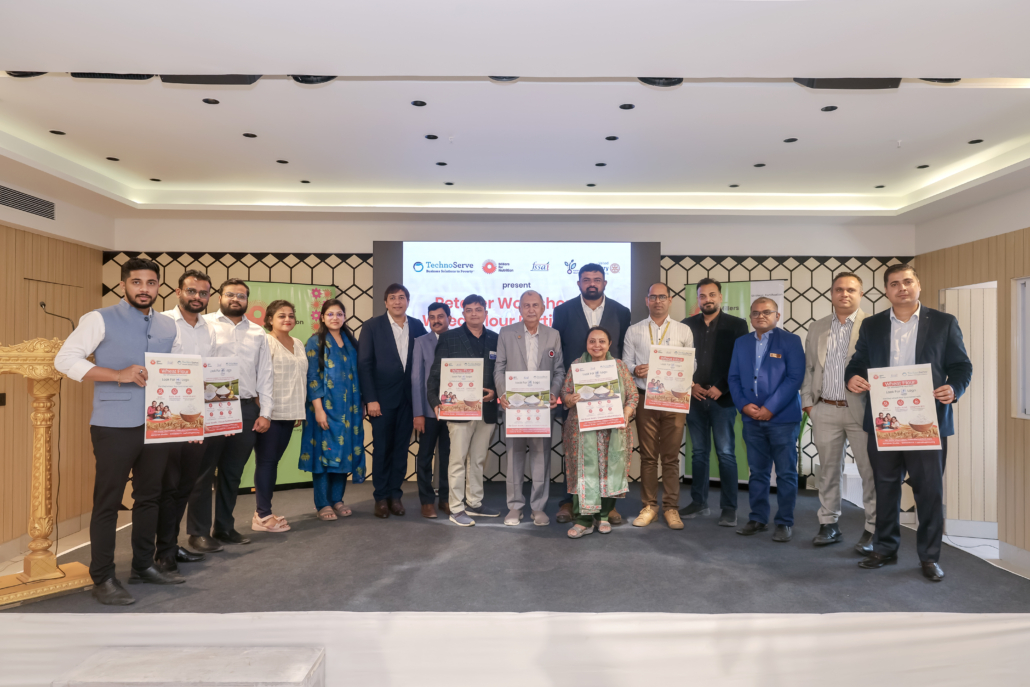
TechnoServe, a global non-profit organization active in nearly 30 countries, is implementing the Inspiring Good Nutrition Initiatives Through Enterprise (IGNITE) program to promote large-scale food fortification.   TechnoServe has launched a groundbreaking initiative to establish Model Fortified Rice Kernel (FRK) units equipped with Food Safety Management Systems (FSMS) and ISO 22000 certification to enhance and sustain the quality of fortified rice kernels supplied through the Public Distribution System (PDS).

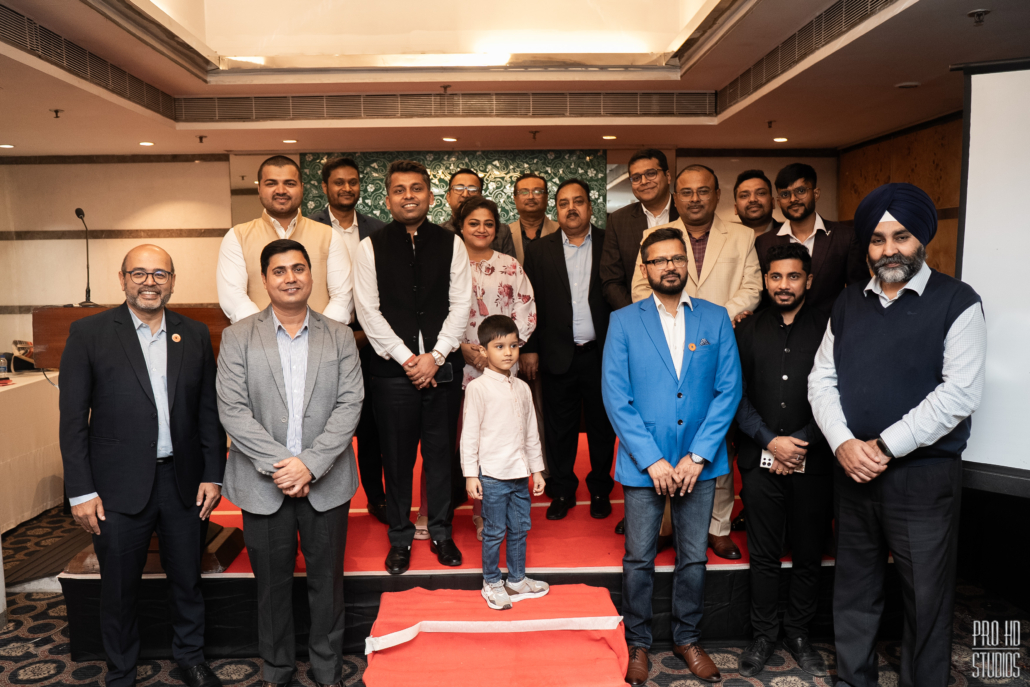
The project led by Abhishek Shukla, Country Program Manager – IGNITE India, envisions establishing six model FRK units in its initial phase, namely AJ Industries (Raipur), Creative Nutrition (Hyderabad), Shri Poornima Agro (Lucknow), Fortfit Food (Kolkata), Gandhi FRK (Fatehpur), and SVHG Agri Solutions LLP (Sangareddy). These units will serve as benchmarks, providing a platform for nearby FRK manufacturers, Centers of Excellence (CoEs), Technical Support Units (TSUs), and government delegations to visit, learn, and adopt international best practices in fortification, FRK manufacturing, food safety, and quality. As more FRK units join this journey, the impact will continue to grow — building trust, improving nutrition, and ensuring safer food for all.

Survey Insights and Challenges Identified (GAP Assessment)

A detailed survey across West Bengal, Uttar Pradesh, Chhattisgarh, and Telangana identified six key sites for the establishment of model units. The survey highlighted critical challenges such as:

1. Infrastructure & Facility Management

  • Inadequate infrastructure and storage conditions
  • Gaps in maintenance and cleanliness
  • Poor ventilation, lighting, and temperature control affecting product safety
  • Lack of proper waste disposal leading to cross-contamination risks

2. Hygiene & Sanitation

  • Weak hygiene, sanitation, and pest management practices
  • Limited awareness of personal hygiene protocols
  • Absence of proper cleaning schedules and monitoring systems
  • Inadequate training on food safety practices for workers

3. Systems & Process Control

  • Insufficient implementation of documented systems
  • Lack of control at critical points increases wastage and chances of defective batches
  • No proper traceability or recall system in case of defective products
  • Inconsistent calibration and maintenance of equipment leading to quality variations

4. Product Quality & Compliance

  • Fortified kernels may have inconsistent nutrient levels and higher chances of contamination
  • Variation in product appearance (size, shape, color) leading to consumer rejection
  • Reduced shelf life and stability of fortified kernels due to poor handling
  • Non-compliance can lead to audit failures, regulatory penalties, and loss of buyer trust

Addressing these areas is central to ensuring both the nutritional value and safety of fortified rice.

Building Capacity and Food Safety Culture

To strengthen systems sustainably, training programs are being conducted for employees at all units. These sessions focus on:

B

Building Capacity

  • Development of standard operating procedures (SOPs) for each critical process step.
  • Process validation to ensure consistent and safe FRK production.
  • HACCP-based manufacturing process streamlining through structured training and documentation.
  • Identification and implementation of Critical Control Points (CCPs), Operational Prerequisite Programs (OPRPs), and Prerequisite Programs (PRPs) to improve and sustain product quality.
  • Establishing traceability and documentation systems for raw material to finished product.
  • Periodic audits and mock drills (e.g., product recall exercises) to test system readiness.
  • Capacity building of quality control teams with modern tools and testing methods.
  • Regular training programs for workers, supervisors, and management on GMP, HACCP, and FSMS.
  • Engagement with external experts and regulatory bodies for continuous learning.

Fostering Food Safety Culture

  • Leadership commitment – management leading by example in prioritizing food safety.
  • Promoting accountability at all levels – every worker responsible for hygiene and safety.
  • Encouraging reporting of issues without fear of blame to ensure proactive problem-solving.
  • Displaying food safety awareness posters and visual reminders across the unit.
  • Recognition and reward systems for staff adhering to good food safety practices.
  • Building a “safety-first mindset” where product quality and consumer health take precedence over speed or cost.

Such capacity building ensures that food safety becomes part of the organization’s culture, not just a compliance requirement.

FSMS and ISO 22000 Implementation

Through Normes Decodees’ expertise in consulting, auditing, and training, FRK units are being guided to achieve ISO 22000 certification, creating a structured framework for:

  • Hazard identification and risk control
  • Consistent quality assurance across production
  • Regulatory compliance at both national and international levels
  • Increased consumer confidence and market credibility
  • Enhanced efficiency through reduced waste and better process control
  • Development of robust documentation and SOPs at different levels

Nutritional and Public Health Impact of FRK

By embedding Food Safety Management Systems (FSMS) into day-to-day operations, fortified rice kernel production achieves long-term reliability, sustainability, and public health impact.

The adoption of fortified rice kernel under FSMS ensures:

  1. Consistent Nutritional Value during production – Uniform enrichment with iron, folic acid, and vitamin B12 to ensure reliable nutritional benefits
  2. Improved Public Health Outcomes – Reduction in anemia and micronutrient deficiencies among vulnerable populations.
  3. Sustainable Health Gains – Strengthened immunity, cognitive growth, and overall well-being.
  4. Cost-Effective Nutrition Delivery – A scalable, affordable approach without requiring dietary changes.
  5. Stronger National Nutrition Programs – Supporting the Public Distribution System (PDS) and government-led initiatives.

ISO 22000-certified FRK units further safeguard nutrient stability and quality consistency through rigorous monitoring, validation, and control measures.

Vision for the Future

“The integration of FRK Manufacturing with ISO 22000 standards positions these Model FRK units as Centers of Excellence. These facilities not only demonstrate compliance and quality but also serve as models to inspire other FRK Units to adopt structured food safety practices”. says Abhishek Shukla, the driving force behind implementing robust Food Safety Management Systems in select FRK units across India’s major rice-producing states.

With continuous training, infrastructure strengthening, and robust FSMS adherence, the partnership between TechnoServe and Normes Decodees is driving a transformation of the fortified rice sector into a trusted, efficient, and sustainable industry.

This initiative reflects a shared commitment to advancing nutrition, food safety, and public health—paving the way for India’s fortified rice production to align with the highest global standards.

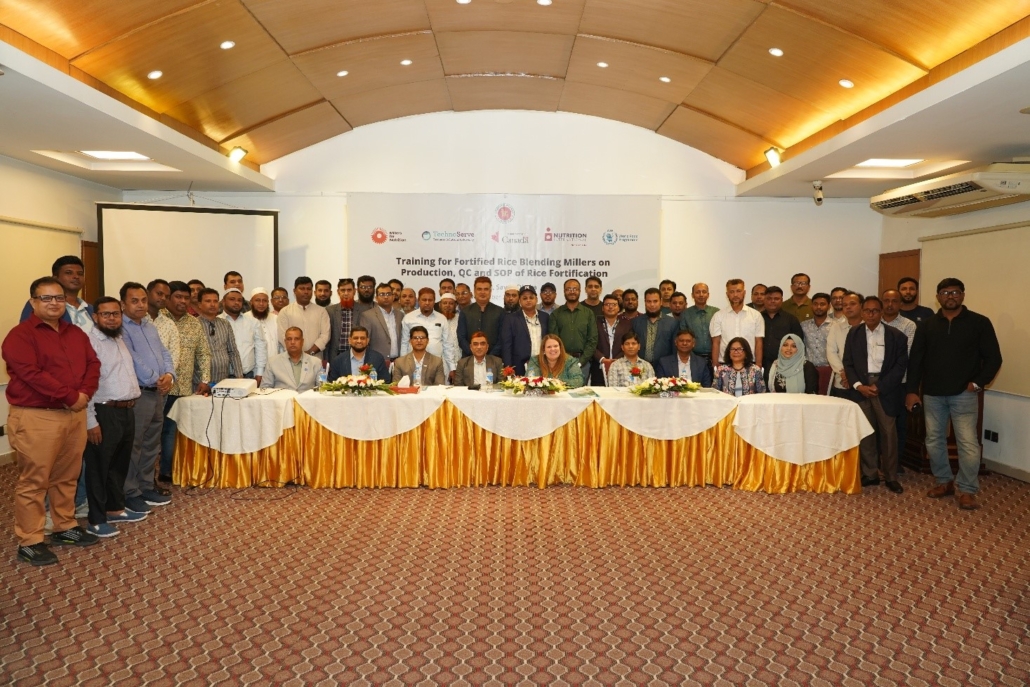
Note of Thanks from Ruposhi Rice and Pushti Mills, Bangladesh

We are thrilled to share the success story of Ruposhi Rice & Pushti Mills Ltd, who recently achieved the prestigious FSSC 22000 V6 Certificate. 

Read on as they express their heartfelt gratitude for the technical guidance and expertise provided by Millers for Nutrition, highlighting the impact of this collaboration on their food safety management systems.

Miller of the Month – Yanee Lasahido, Head of Research & Product Development, PT. Food Station Tjipinang Jaya (PERSERODA), Indonesia

Food Station has a mandate of providing staple foods to the residents of Jakarta, for example through the Pangan Murah Bersubsidi Program. Do you think there is a place for fortified rice in this program, and how would that benefit the Food Station’s mission?

The Subsidized Food Program is a social safety net program for the people of Jakarta that is budgeted by the Jakarta Provincial Government and implemented by BUMD Food Station throughout the year. If we look at the Food Law No. 18/2012, which regulates and ensures the consumption of safe, quality and nutritionally balanced food. This means that food provision for the community is not only calorie-based but also nutritious. Thus, the answer is that fortified rice is a choice that makes sense provided that the price of the rice is not higher than the applicable price ceiling and has a clear purpose, for example increasing immunity or reducing anemia. Converting regular premium rice into special medium rice / fortified rice is very possible as long as this is approved by the Governor.

Can you share the challenges and successes you’ve faced during the launch of your fortified rice product, and what lessons have you learned along the way?

From the beginning, we realized that the biggest challenge in fortified rice is the higher price of regular rice; public awareness of health and knowledge about fortified rice is still minimal. For other technical matters such as FRK providers, I think it can be done gradually and the technology already exists. While the demand from the government is not yet open, we are testing this product in commercial areas with the aim of getting insight as well as introducing this rice to the public. To reach people who are vulnerable to health (underprivileged), government intervention is needed. The government must be a demand creator from regional to national scale. We also adjusted the marketing communication of this product by approaching the community of mothers who care about their children’s health. It can’t be fast, but we see a better awareness of this product. At this stage, seeing a change in awareness in the community, even if it is limited, is very promising. We are well aware that this is a process.

How do you see fortified flour rice contributing to addressing micronutrient deficiencies in Indonesia, and what role do you think millers play in ensuring nutrition security?

If we look at some existing studies from international or local, fortified rice should be a reasonable option. Besides being efficient, it can reach the public widely and quickly, considering that rice is the staple food of most people in Indonesia.

I think all rice will definitely go through a rice mill, from this alone we can know that rice mills play a very strategic role in delivering food quality that is not only good in appearance but also meets good nutritional criteria. I think rice mills need to get intense technical guidance or some workshop in order to produce fortified rice with more proper results.

What collaborations or partnerships has Food Station formed to support its fortification efforts, and how can millers work together to promote nutrition and fortification?

From the beginning we also realized that this fortified rice will be useful for many people. We realize that rice ii must be produced in each region, not necessarily in Jakarta. Therefore, in addition to producing, we also collaborate with many parties including millers, FRK producers, blend/mixer machine providers, including BUMDs and Provincial and District Governments who visit and conduct comparative studies at Food Station to introduce fortified rice and how to make it. Our Rice Mill Unit and blending machine at Cipinang site are also open for comparative studies. We hope that the information about fortified rice can be better absorbed and start thinking about implementing it in their respective regions. Incidentally, the Jakarta Provincial Government also has an inter-regional cooperation program and through this office we can discuss and socialize fortified rice to overcome stunting and other health problems in their respective regions. This can also be collaborated with universities.

Going forward, what are your plans for expanding fortified rice production and distribution, and what message would you like to share with our readers about the importance of fortification?

Currently, awareness about fortified rice is starting to grow among rice entrepreneurs, but this is not enough. Because the awareness of fortifying their products, especially rice, is a long-term result and not just a matter of business. For us, this is a statement that it is the people’s right to live a healthy life and we are trying to deliver it. We are well aware that this is like running a marathon, we must have enough energy to achieve this goal. We will continue to socialize this to production partners, namely rice mills under our guidance, in collaboration with modern retail outlets and traditional markets as well as Provincial and district governments through the Food Security Office and their respective regionally-owned enterprises.

Miller of the Month –  Jessica Nworgu, Quality Control Manager at Flour Mills of Nigeria (FMN)

For our August Miller of the Month feature, we are proud to highlight Jessica Nworgu, Quality Control Manager at Flour Mills of Nigeria (FMN). FMN recently achieved significant recognition at the 2025 Micronutrient Fortification Awards, with four of their brands: Golden Penny Prime Flour, Golden Penny Confectionary Flour, Classic All Purpose, and Superfine wheat flour jointly securing the top position in the Top Five Excellence Awards.

1. Why did you decide to join Millers for Nutrition?
Flour Mills of Nigeria (Golden Penny) joined Millers for Nutrition because we believe we can achieve more when we work together with other millers. The platform offers a unique opportunity for us learn new ideas, share experiences, and get the right support to make our fortification work even better. This includes access to cutting-edge research, innovative fortification techniques, regulatory insights, and a forum for peer-to-peer learning with other leading millers committed to similar goals.

2. Tell us about your commitment to food fortification
For us, food fortification is more than a business requirement, it is a commitment to improving lives. Every batch of flour we produce is meticulously checked to ensure optimal micronutrient levels, safety, and nutrition, aligning with Flour Mills of Nigeria’s mantra: “Feeding the nation with nutritious food everyday.”

3. Tell us about your gender equity program. How has it impacted your business?
At FMN, we are dedicated to creating opportunities for women across all areas of our company, including technical, operational, and leadership roles. Through comprehensive training, mentorship programs, and a fair recruitment process, we encourage an environment that champions diverse perspectives, strengthens teamwork, and ultimately leads to improved outcomes. This commitment also cultivates a positive workplace culture that reflects favorably on our business.

4. How long have you been in the milling business? How has the industry changed in that time?
For over 64 years, Flour Mills has been a part of the milling industry. The milling industry has evolved so much since then. Technology now plays a bigger role, and there is more focus on nutrition, sustainability, and meeting strict quality standards. My role has similarly expanded, transitioning from a primary focus on production to leading initiatives improve nutrition and strengthen partnership

5. What’s your proudest achievement?
I am immensely proud of the impact our fortified products have had on combating micronutrient deficiencies nationwide. On a personal note, witnessing the growth of younger colleagues I have had the privilege to mentor into confident industry professionals brings me great satisfaction. Above all, these awards (five awards at 2025 MFI award ceremony) is the height of my career in flour milling

Unlocking Kenya’s $19.8 Billion BoP Market: Millers Step Up to Serve the Underserved

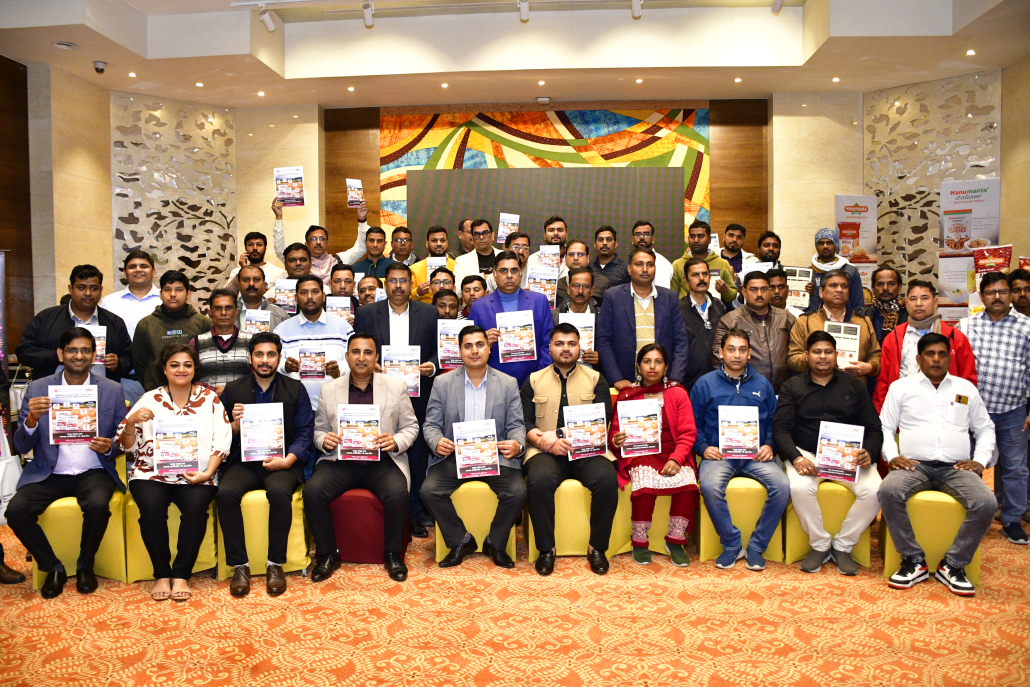
On the 3rd of July in Nairobi, Kenya, Millers for Nutrition alongside the National Duka Organization (NDO) and the Cereal Millers Association (CMA), hosted a dynamic workshop that brought together 40 senior leaders, including directors and sales executives from 21 milling companies. The goal: to spotlight the enormous, yet largely untapped, potential of Kenya’s Base of the Pyramid (BoP) market.

Representing 70% of the national population and valued at an estimated $19.8 billion, the BoP market offers a game-changing opportunity for millers, particularly in delivering safe, adequately fortified foods. Despite its size and strategic importance, this market remains underserved, with poor access to fortified products.

The workshop delivered more than just insights. Participants visited low-income neighbourhoods in Nairobi, experiencing firsthand the gaps and possibilities at the last mile. They engaged directly with duka owners and consumers and were introduced to NDO’s aggregation model, a logistical innovation designed to simplify distribution to micro-retailers and reduce barriers for processors aiming to serve this segment.

This high-impact engagement not only strengthened market awareness among millers but also aligned directly with the Millers for Nutrition program’s mission: to scale access to fortified foods where they’re needed most. By opening new pathways into the BoP market, the workshop marked a critical step toward advancing both business growth and better nutrition outcomes for millions of Kenyans.

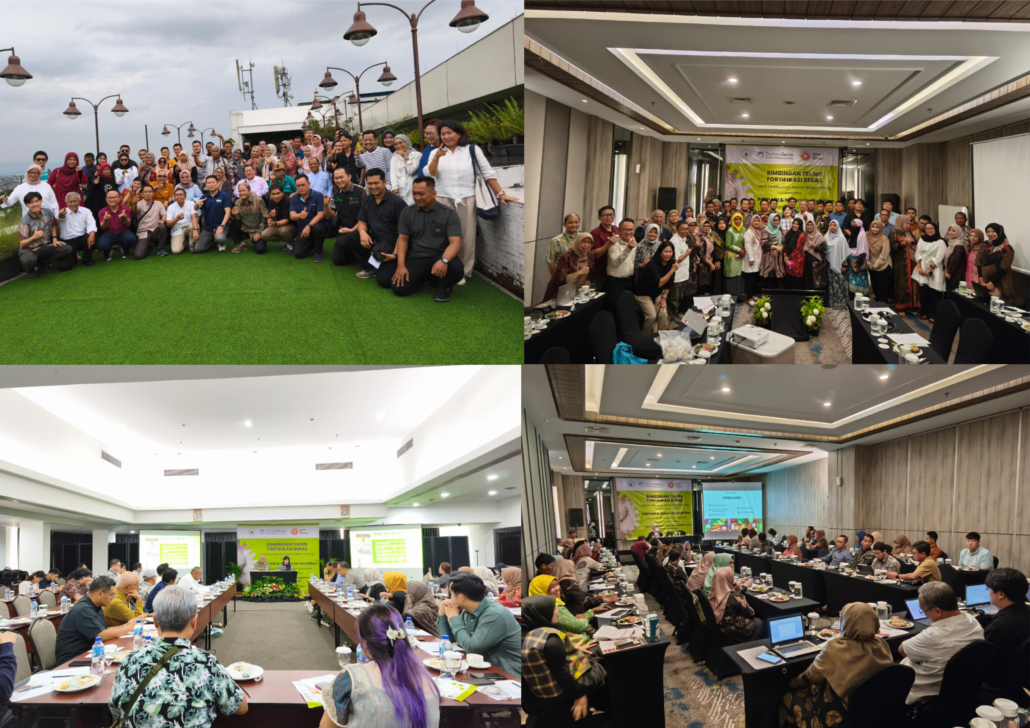
The top left picture captures participants at the workshop in Nairobi, Kenya and some more pictures from millers’ visits to neighborhood shops.

A group photograph of participants at the Millers for Nutrition Indonesia country launch

Millers for Nutrition 7th Country Launch in Indonesia

We are thrilled to share exciting news from Indonesia! Millers for Nutrition, a global coalition dedicated to enhancing food fortification, has officially launched its operations in the country. This major step was revealed at the “Large Scale Food Fortification (LSFF) for Health, Nutrition Status and Productivity” convening, co-hosted by the Indonesian Nutrition Foundation for Food Fortification (KFI) and TechnoServe.

Key stakeholders, including representatives from the Government of Indonesia (Ministry of National Development Planning (BAPPENAS), National Food Agency, and State Logistics Agency (BULOG), leading industry players, and national associations for wheat flour, edible oil, and rice millers, attended the launch event. Also present were representatives from our strategic fortification partners BASF, dsm firmenich, MC | Stern Vitamin, Buhler and Hexagon Nutrition. Their participation highlighted a unified commitment to improving national nutrition outcomes.

Millers for Nutrition supports millers to adequately fortify staple foods like wheat flour, edible oil, and rice with essential micronutrients. This aligns perfectly with the goals of KFI, a highly respected Indonesian food fortification foundation known for its expertise and commitment to the quality and sustainability of LSFF.

Indonesia marks the seventh country where Millers for Nutrition operates, joining Bangladesh, Ethiopia, India, Kenya, Nigeria, and Tanzania. The coalition employs an innovative model, connecting strategic fortification partners, technical experts, and other ecosystem partners to provide best-in-class technical assistance and business advisory services. This approach helps millers strengthen food quality, boost operational competitiveness, and unlock new market opportunities.

Monojit Indra, Senior Practice Leader at TechnoServe & Program Leader for Millers for Nutrition Asia, expressed his enthusiasm, stating, “We want to unite passionate stakeholders to support Indonesian Millers and food processors in achieving fortification excellence and driving meaningful change in the battle against malnutrition. Together, we can transform the future of nutrition in Indonesia.”

Mrs. Diah Lenggogeni, the Director for Public Health and Nutrition in BAPPENAS, delivered a keynote address, emphasizing the critical role of fortified foods in improving Indonesia’s health and nutritional status. She highlighted that addressing micronutrient deficiencies is a shared commitment requiring synergistic partnerships between the government, food industry, and supporting organizations.

Indonesia Wheat Flour Fortification Leadership Award: Asosiasi Produsen Tepung Terigu Indonesia (APTINDO)
Indonesia Edible Oil Fortification Leadership Award: Gabungan Industri Minyak Nabati Indonesia (GIMNI) and Asosiasi Industri Minyak Makan Indonesia (AIMMI)
Indonesia Rice Fortification Advocate: Ir. Sutarto Alimoeso, MM

Additionally, several fortified rice producers were celebrated as Fortified Rice Industry Pioneers in Indonesia:
PT. Thara Jaya Niaga
PT. Food Station Tjipinang Jaya (PERSERODA)
PT. Sinar Makmur Komoditas
PT DEWA TUNGGAL ABADI
Perum BULOG
PT PANGAN NABATI UMBI NUSANTARA
PT. Siamo Berkah Sejahtera
PT. Microfin Cipta Perdana
BPS – PT Buyung Poetra Sembada, TBK

Miller of the Month – Sifa Lucas Mkanda, Quality Analyst at Wilmar Tanzania Limited

Our Miller of the Month for July is Sifa Lucas Mkanda, a Quality Analyst at Wilmar Tanzania Limited. Sifa’s role has consistently evolved to meet the demands of technological advancements and changing consumer preferences within the milling industry. Wilmar Tanzania Limited demonstrates a strong commitment to public health and regulatory compliance through its dedication to food fortification, especially in addressing malnutrition in East Africa.

How long have you been in the milling business? How has your role changed?

With five years in the milling industry, my role has evolved significantly due to technology and consumer shifts. Initially focused on lab analysis, quality, manual fortification, and food safety, my responsibilities now include integrating automation and ensuring fortification compliance. This evolution demands continuous learning and adaptation to technological and regulatory changes. Data-driven decisions optimize operations and meet demands for healthier, sustainable products. My journey reflects significant technological advancements and a growing emphasis on sustainability, transforming my role and positioning our operations for the evolving global market.

Why did you decide to join Millers for Nutrition?

We joined Millers for Nutrition to align our operations with global food fortification best practices, enhance our product quality, and contribute meaningfully to public health. This membership provides us with free technical assistance, including tailored training, product testing support, and access to online tools and business advice. These resources have been instrumental in improving our fortification practices and reducing compliance risks.

Tell us about your commitment to food fortification and Quality Assurance?

Wilmar Tanzania Limited is deeply committed to food fortification as a strategic approach to combat malnutrition in East Africa. Our dedication aligns with national policies and global initiatives aimed at improving public health. In April 2025, Tanzania implemented the 2024 Food Fortification Regulations, we have proactively embraced these regulations, ensuring compliance with the new standards. Additionally, Quality assurance is central to our fortification strategy. We have installed automated dosing equipment and implemented robust quality control systems to ensure the precise addition of Vitamin A. These measures guarantee that our products meet the required nutritional standards and support public health objectives

Tell us about your new technology and how it impacts your business? 

We significantly improved our food fortification initiatives by adopting innovative technologies , positively impacting both business operations and public health. A key achievement is the installation of automated online dosing pumps. These pumps precisely add Vitamin A to oil, a process previously done manually into storage tanks, without increasing production costs.

What advice do you have for other millers that might want to implement/try?

Millers considering implementing food fortification, there are key recommendations that will lead them to successful practice; Invest in Capacity building and training: By understanding fortification methodology and its importance together with attending food fortification training programs offered by fortification stakeholders will enable them to acquire knowledge and skills to implement effective fortification practice.

A significant partnership is underway to establish a state-of-the-art oil refinery in Gombe State, North-Eastern Nigeria, promising to improve nutrition and create economic opportunities for thousands. The Gombe State Oil Modular Refinery Project is a collaborative effort involving Millers for Nutrition and their strategic fortification partner BASF, who will provide funding support. EDCEL Ltd. and the Gombe State Groundnut Oil Millers Association (GSGOMA) will then establish the oil refinery.

Millers for Nutrition with EDCEL, BASF, and Mega Capital Facilitate B2B Linkage for Groundbreaking Oil Refinery Supporting 10,000 Youths and Women in North-Eastern Nigeria.

LAGOS, NIGERIA – A significant partnership is underway to establish a state-of-the-art oil
refinery in Gombe State, North-Eastern Nigeria, promising to improve nutrition and create
economic opportunities for thousands. The Gombe State Oil Modular Refinery Project is a
collaborative effort involving Millers for Nutrition and their strategic fortification partner BASF,
who will provide funding support. EDCEL Ltd. and the Gombe State Groundnut Oil Millers
Association (GSGOMA) will then establish the oil refinery.

The project, discussed during a recent closed-door executive roundtable, aims to build a 20-ton
service refinery at the Gombe groundnut oil industrial center. This facility will focus on producing
refined groundnut oil fortified with Vitamin A, addressing nutritional deficiencies prevalent in the
region. This is expected to benefit approximately 10,000 youths and women under the age of 45
and unlock a 500 million naira investment (about 315,000 US Dollar).

Alhaji Umar Madugu, Deputy Chairman of GSGOMA, highlighted the dual benefits of the
project. “This partnership will be an opportunity for us local millers to produce refined oil with
Vitamin A that will improve the health of the people of North-Eastern Nigeria,” he said. “Another
good part of this partnership is that it is economically beneficial to the people.”

Ayodele Tella, Senior Program Manager at Millers for Nutrition, emphasized the collaborative
spirit and mission behind the project. “Vision, purpose, alignment, and partnership truly captured
the atmosphere of the discussion,” Tella stated. “The focus was on establishing a 20-ton service
refinery. The B2B linkage and sponsored coordination between EDCEL Ltd, the sole producer of
the diluted vitamin A palmitate fortificant for micro-small oil millers, and the leadership of the
Gombe state groundnut oil millers association, perfectly embodies the core mission of Millers for
Nutrition. This initiative aims to sustainably provide adequately fortified staples to vulnerable
consumers through effective private sector partnerships.”

EDCEL Ltd., playing a crucial role in the project by providing vitamin A fortificant, also shared
their perspective. Cletus Chibuko, Managing Director of EDCEL Ltd., noted, “We are proud to be
a part of this project that will not only enhance nutritional outcomes but also empower local
communities. Providing the necessary fortificant is a key step in ensuring the long-term health
benefits of this initiative.”

This partnership aligns with the broader mission of Millers for Nutrition, a coalition dedicated to
helping millers fortify staple foods like wheat, maize, edible oil, and rice. Millers for Nutrition
supports millers across eight countries in Africa and Asia, including Nigeria, connecting them
with experts and resources to improve food nutrition and business competitiveness. Millers for
Nutrition is powered by TechnoServe with funding support from the Gates Foundation.

As the project progresses, it holds the promise of serving as a model for sustainable
development and public-private partnerships across Nigeria, showcasing how strategic
collaborations can drive tangible, positive change in communities.

At the closed-door executive roundtable, attendees included (Sitting L-R) Alh.Umar Madugu, deputy
chairman, Gombe State Groundnut Oil MIllers Association; Mr Sam Onukwue, GMD/CEO Mega Capital;
Cletus Chibuko, managing director of Edcel Ltd; Mrs.Talatu Jubril, lawyer, Yahdima Chambers; Sani Yau,
chairman, Gombe State Oil MIllers Association;
(Standing L-R) Cyprain C. Ugwejeh, Project Consultant; Babajide Ogunleye, Food Fortification Specialist
at TechnoServe; Olusola Showunmi, Senior Food Fortification Specialist at TechnoServe; Ayodele Tella,
Senior Program Manager, TechnoServe; Ifunanya Aginam, business development / account manager at
BASF; Uche Emmanuel, managing director at Mega Capital; Captain Peter Ngere, Director, Mega Capital.

May 2025 Miller of the Month is Abhishek Agarwal, Director of Shyamatara Rice Mills, India

May 2025 Miller of the Month: Abhishek Agarwal – Director of Shyamatara Rice Mills, India

1.  What inspired Shyamatara Rice Mills to venture into fortified rice production?

Shyamatara Rice Mills (P) Limited has played a pivotal role in improving the nutrition space of the people of West Bengal since 2005. Our family being present in the rice milling industry for the past 47 years has adopted and understood the needs of the market as and when the market demanded a change. With the food quality being deteriorated day by day, our focus changed to how we can provide nutrition through supply of fortified rice in the open market in West Bengal in the variant which is most consumed by the people of Eastern part of India.   

Our May 2025 Miller of the Month is Abhishek Agarwal,  Director of Shyamatara Rice Mills, India

2.  Can you share the challenges and successes you’ve faced during the launch of Bengal Crown Fortified Rice?

Our venture into fortified rice in West Bengal was a decision made consciously over the past 6 months after realizing the true need of the product in the open market. Being one of the first movers in West Bengal for this product, our main challenge was to ensure our marketing is such that we are able to convince the consumers about the importance of Fortified Rice and how just by adding it in your daily diet, there is a stark difference in their vitamins, zinc and Iron Levels which are crucial in the overall health for a human.

3.  How do you see fortified rice contributing to addressing micronutrient deficiencies in West Bengal?

Fortified Rice has already been quite a success story for the Indian Government ever since it has been implemented in the rice supplied for the Public Distribution System. Almost 65% Indians consume PDS supplied fortified rice in India. Our focus is on the remaining 35%. Almost 1/3rd of the population being exposed to malnutrition because of non consumption of fortified rice is a huge number. We can surely address low Iron and Vitamin levels strongly as it is the most economical way of getting a balanced diet across all socio-economic groups.

4.  What role do you think millers play in ensuring nutrition security, and how can we collaborate further?

Millers play a very crucial role in ensuring nutrition security for all as the Government has trusted the milling stage in the whole cycle to ensure true and fair fortification of staples. We as millers have to ensure we are able to keep the Government’s trust. In the future, we can collaborate with NGOs, Government agencies and industrial bodies to ensure fortification is understood and accepted by every consumer.                                                       

5.  Looking ahead, what are your plans for expanding fortified rice production and distribution?

We have already introduced fortified rice across most varieties of non basmati rice processed by us and most of the products are available on E- commerce platforms like Amazon and Flipkart. Going forward, we envision that fortified rice will be accepted at such levels in the open market that there will be only fortified rice production and distribution across all variants processed by us.

 6.  Any message for our readers, particularly those interested in nutrition and fortification?

The whole community collectively has to ensure acceptability of fortified staples across all consumer levels. Consumer awareness holds the key to ensure success of this dietary change in our daily lives which we want to bring. There is a vey big opportunity for fortified staples if marketed well and accepted by consumers. Entry of more and established players will only help in achieving the motto of bringing fortified food in every plate across the globe. 

Tag Archive for: Millers for Nutrition

Nothing Found

Sorry, no posts matched your criteria