SVHG Agri Foods: A Story of Growth and Improvement

At the forefront of India’s food industry, SVHG Agri Solutions has experienced a transformative impact since partnering with Millers for Nutrition. According to miller Harshrav Shukla, this collaboration has far-reaching benefits, extending beyond technical assistance to encompass significant enhancements in operational efficiency, product quality, and strategic networking.

This multifaceted impact has positioned the company for sustainable growth, empowering them to better serve their customers while staying ahead in the competitive food landscape. SVHG Agri Solutions credits Millers for Nutrition for helping pinpoint technical deficiencies, particularly in dosing and flow rate of fortificants. For example, when a screw broke, which seemed like a small problem but caused quality issues during the mixing of fortificants, Abhishek Shukla, country program manager at Millers for Nutrition India, and his team were quick to offer support and connect SVHG with experts.

This collaboration enhanced the company’s understanding of best practices and expanded the organization’s professional network. Abhishek introduced the team to other fortified rice kernels  producers who practice good manufacturing principles. The connections opened new horizons for SVHG Agri Solutions, enabling them to benchmark their processes against industry leaders and adopt advanced quality control measures. The company is now better positioned to improve business efficiencies.

Harshrav said Millers for Nutrition also helped identify opportunities to  reduce production costs. Additionally, the insights they gained influenced their approach to customer service, enabling SVHG to better serve customers and respond to their needs effectively. The collaboration has also fostered a culture of learning and improvement among the staff, boosting their performance and engagement.

As SVHG Agri Solutions continues to grow, Harshrav anticipates that future enhancements will positively impact its production capacity and product quality. And with Abhishek and his team available for support, they feel confident in their ability to troubleshoot challenges and resolve issues.

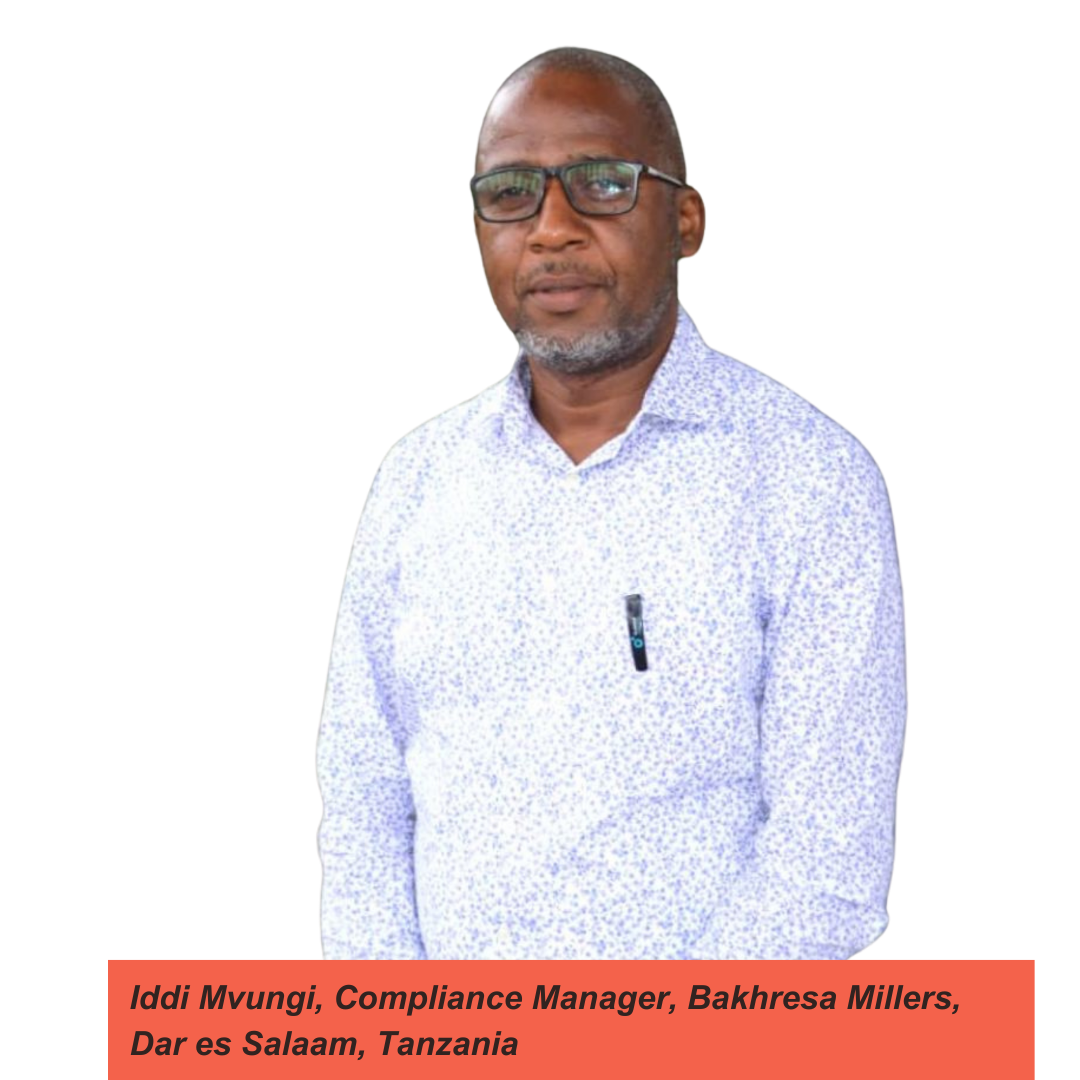
February 2025 Miller of Month: Iddi Mvungi, Compliance Manager, Bakhresa Millers,  Dar es Salaam, Tanzania

Food vehicle: Wheat Flour, Maize Flour

February’s Miller of the Month Iddi Mvungi, Compliance Manager for Bakhresa Millers, talks about the company’s commitment to fortification and experience with Millers for Nutrition.

Can you talk about your commitment to food fortification?

At Bakhresa, our commitment to food fortification is rooted in the belief that enhancing the nutritional quality of staple foods like wheat flour can significantly improve public health. By incorporating essential nutrients into our flour, we aim to combat malnutrition and support healthier communities. Our focus on fortification not only aligns with regulatory standards but also reflects our dedication to providing Tanzanians with high-quality products that contribute to their well-being.

How has joining Millers for Nutrition impacted your business?

The technical assistance we receive from Millers for Nutrition has been transformative for our operations. Their expertise in flour fortification and industry best practices has enabled us to enhance the quality of our products, streamline our processes, and ensure compliance with nutritional standards. This support has not only strengthened our market position but also built consumer trust in our fortified offerings. By collaborating with Millers for Nutrition, we have improved our operational efficiency and reduced costs associated with fortification, allowing us to pass those savings on to our customers.

How do you inform consumers about the benefits of fortified flour?

Educating consumers about the advantages of fortified flour is a crucial part of our mission at Bakhresa. We recognize that many consumers may choose cheaper alternatives without understanding the nutritional benefits they forgo. To address this, we train our sales and marketing teams on the importance of consuming adequately fortified products. By partnering with organizations like Millers for Nutrition, we aim to amplify our messaging through targeted communication strategies that inform the public about how fortified flour can positively impact their health. Our goal is to empower consumers with knowledge so they can make informed choices that enhance their well-being.

What advice do you have for other millers?

My advice to fellow millers is to embrace food fortification as a vital component of your business strategy. Prioritizing the nutritional content of your products not only benefits public health but also differentiates your brand in a competitive market. Stay open to innovation and continuously seek out training and collaboration opportunities, such as those offered by Millers for Nutrition. By doing so, you can enhance your operational efficiency and ultimately contribute to a healthier population while ensuring the sustainability of your business.

Strategic Fortification Partner Spotlight: dsm-firmenich

Strategic Fortification Partner Spotlight: dsm-firmenich

Strategic Fortification Partner Spotlight: dsm-firmenich

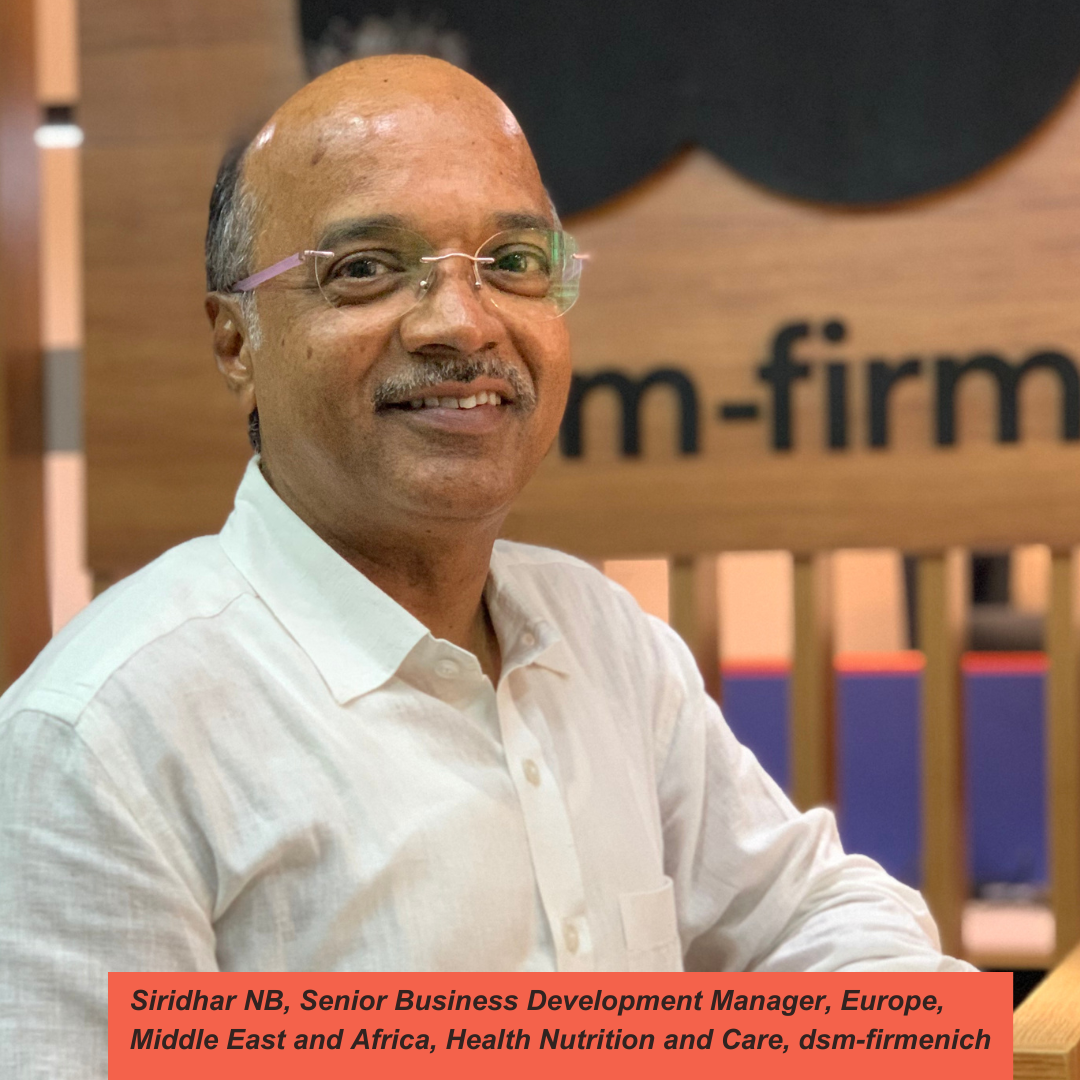
In a recent chat with Sridhar NB, dsm-firmenich’s Senior Business Development Manager for Europe, Middle East and Africa, Health, Nutrition & Care, he shared his commitment to addressing global nutrition challenges through food fortification. Driven by the reality that many people struggle to access even one nutritious meal a day, Shridhar finds fulfillment in developing sustainable fortification solutions. His work with rice millers has been particularly impactful, helping them transform a commodity product into a vehicle for better nutrition.

What inspired you to join the food fortification journey?

Knowing that people are struggling, being part of the food fortification journey brings me immense satisfaction and fulfillment. In today’s world, accessing a single nutritious meal daily has become a challenge. Staple food fortification is a cost-effective intervention that ensures essential vitamins and minerals reach consumers daily. The technology and methods required for staple food fortification are well-established and accessible globally. Our goal is to develop sustainable, win-win business models for fortifying staple foods.

What is the most memorable feedback you have received from a miller you have trained or worked with?

In the rice fortification space, rice is often viewed as a commodity product. However, rice millers are increasingly interested in fortifying rice not only to provide essential micronutrients to consumers but also to differentiate themselves in a crowded market. Globally, millers often require guidance and support to implement fortification effectively. One memorable feedback I received was from a miller who, after successfully launching and implementing fortified rice, expressed interest in innovating further by incorporating flavor, protein and fibre. This enthusiasm for continuous improvement and innovation was truly encouraging feedback.

What success story from the field has stayed with you?

One success story that motivates me is the global progress in staple food fortification. A key indicator of this success is the increasing amount of fortified rice, which is growing rapidly. Notably, Asia has seen rapid implementation, while Africa is also making significant strides. Witnessing the expansion of fortification efforts across geographies inspires me to continue supporting this vital work.

What unique value did you find being a part of Millers for Nutrition?

As part of Millers for Nutrition, I have found that our unique value lies in sharing technical knowledge to ensure high-quality fortification across the entire value chain. We achieve this through various training methods, including on-the-job training, classroom sessions, etc.

A Bold Step Toward Better Nutrition in Ethiopia

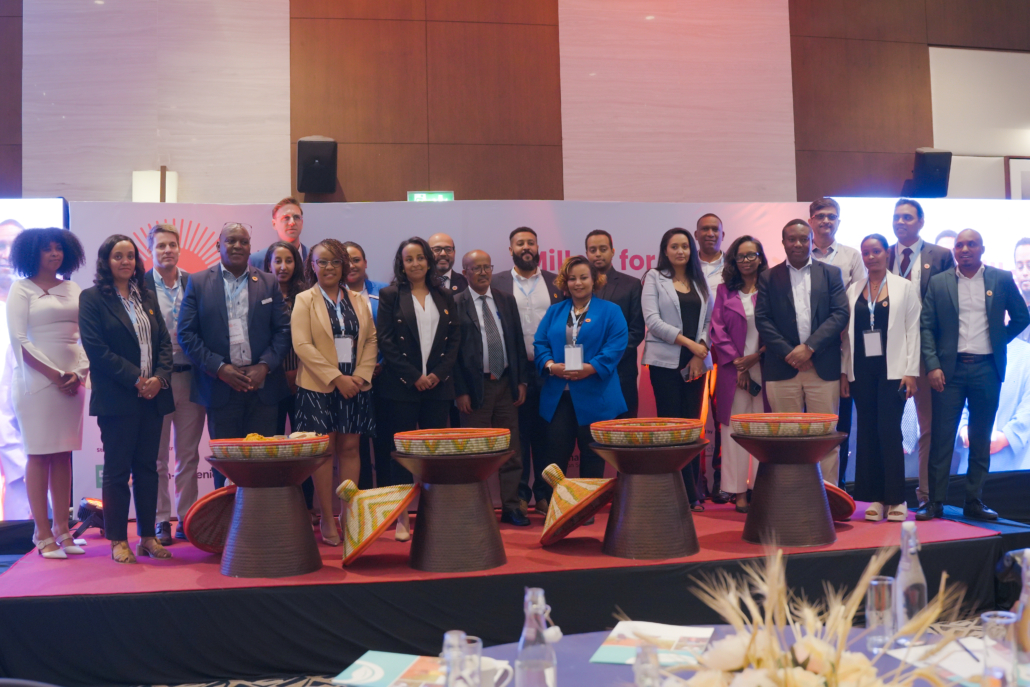
Millers for Nutrition  Ethiopia was officially launched December 2024, heralding a significant step in combating malnutrition across the nation. The event comes at a critical time, aligning seamlessly with Ethiopia’s National Food Fortification Program which was introduced in August 2024 mandating the fortification of wheat flour, edible oil, and salt to combat pervasive nutrient deficiencies.

Millers for Nutrition places food processors at the forefront of fortification efforts, recognizing their vital role in improving public health. “Millers for Nutrition is proud to align with the Ethiopian government’s vision for food fortification. By placing the food processing sector at the heart of this initiative, we recognize the vital role they play in ensuring that fortified foods reach Ethiopian households. Together, we aim to provide practical support and foster partnerships that make fortification a seamless, impactful, and sustainable part of your work,” said Rizwuan Yusufali, Director of the initiative.

Millers often face challenges including increasing food prices, the rising cost of fortification, and competition from imports. “Fortification comes with its challenges, but we are here to provide practical support and real solutions to ensure fortified foods are not only the norm but also accessible to all Ethiopians,” Yusufali stressed.

To address these hurdles, Millers for Nutrition facilitates industry-specific training, encourages public-private collaborations, and supports affordable production of fortified foods by improving the capacities and business practices of wheat and maize millers, and edible oil processors.

By combining robust government support, industry partnerships, and innovative strategies, Millers for Nutrition aims to transform Ethiopia’s nutritional landscape by ensuring that millions of Ethiopians have access to adequately fortified staple foods. 

With an ambitious global goal of improving nutrition for 1 billion people by 2026, the program is poised to make fortified foods a staple in Ethiopian households, building a healthier and more prosperous future.

Millers for Nutrition is supported by Strategic Fortification Partners: BASF, BioAnalyt, Bühler, dsm-firmenich, Mühlenchemie, SternVitamin; Regional Strategic Fortification Partners: Hexagon Nutrition, Piramal, Sanku; and a growing group of local technical partners that share a common vision of improving food processing practices and fortification excellence to benefit society and enhancing business sustainability. The coalition is powered by TechnoServe with funding support from the Gates Foundation. Millers, food fortification stakeholders, and others interested in joining the coalition can learn more at millersfornutrition.com.

Millers for Nutrition Participates in Market Linkages Forum – Enabling Last Mile Distribution

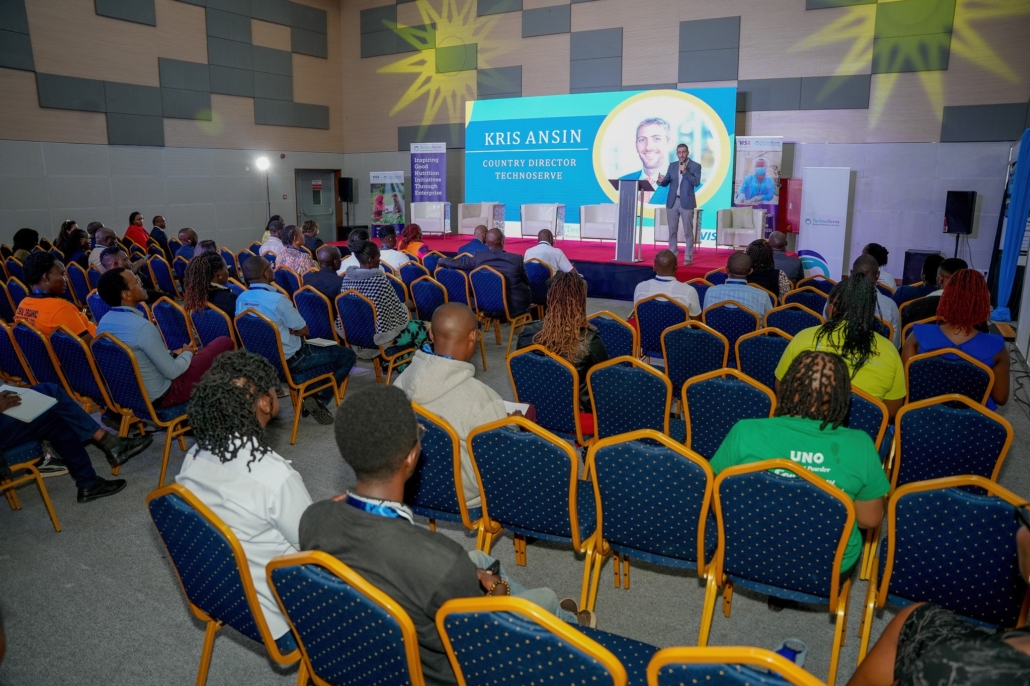
Millers for Nutrition Kenya members were recently invited to participate in TechnoServe’s Market Linkages Forum. The event offered millers opportunities to engage with key stakeholders in the food distribution sector and address challenges linked to last mile distribution. 

Technoserve, through its Implementing Inclusive Growth Strategies (IIGS) program and Millers for Nutrition organized the inaugural event bringing together key players from Kenya’s food system to address the critical challenge of providing nutritious foods to every Kenyan, regardless of location or income.

“Our shared goal is to ensure fortified, nutritious food is accessible to all, not just a few,” said Kris Ansin, TechnoServe Country Director. “Together, we are building a more inclusive, efficient, and equitable food distribution network.” 

Achieving this goal requires strategic partnerships.“Collaboration across the value chain helps us solve challenges like logistics, storage, and quality control,” said  Joyce Njogu, Head of Consulting and Business Development at Kenya Association of Manufacturers. “Together, we can enhance efficiency and ensure products reach consumers in time and at a competitive price.”

The conversation also shifted toward technology, which plays a critical role in expanding access to markets.  “Technology platforms are becoming game-changers, giving small- and medium-sized enterprises easier entry into markets and helping them build their brands, ensuring they remain competitive,” said Elizabeth Cushny, Technoserve Senior Program Manager for East Africa. Support for the event was provided by Visa Foundation and Gates Foundation.

Millers for Nutrition Launches in Ethiopia to Combat Malnutrition

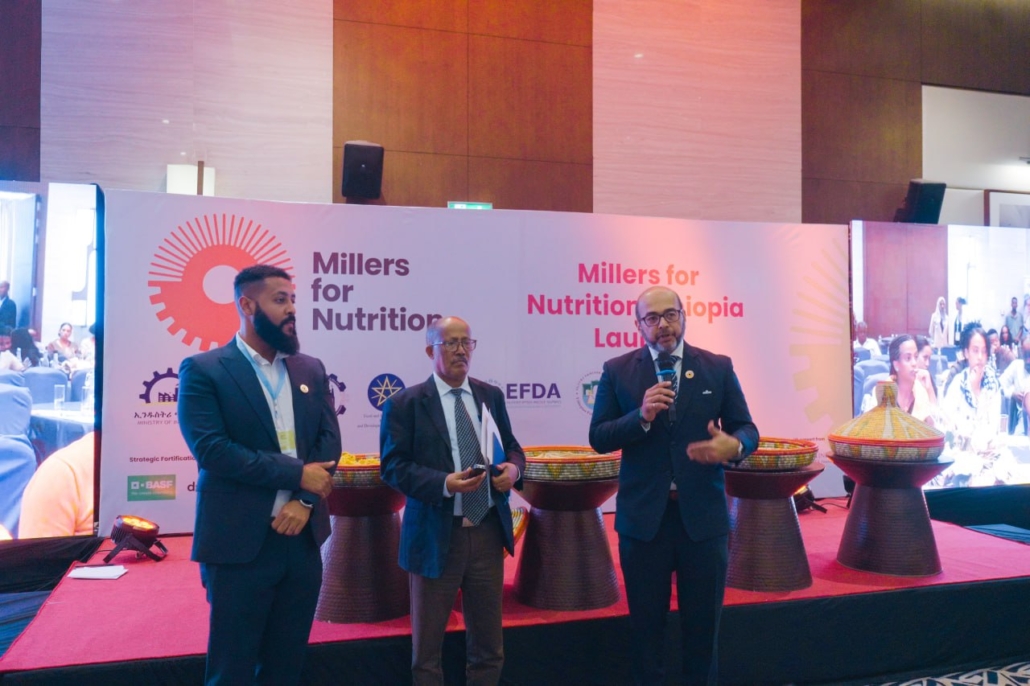
On December 3, 2024, Millers for Nutrition launched in Ethiopia marking a significant step in the country’s fight against malnutrition. The launch brought together key players from the government, private sector, and development partners.

Millers for Nutrition is a coalition of key food fortification stakeholders dedicated to helping millers fortify staple foods including wheat flour, edible oil, and salt with vital micronutrients. This aligns with the Ethiopian government’s recent National Food Fortification Program, which mandates the fortification of these staples.

“Millers for Nutrition is proud to align with the Ethiopian government’s vision for food fortification. By placing the food processing sector at the heart of this initiative, we recognize the vital role they play in ensuring that fortified foods reach Ethiopian households,” said Rizwuan Yusufali, Millers for Nutrition – Program Director. “Fortification is not just about adding nutrients; it is about creating value—value for consumers, families, and the future of Ethiopia.” 

The coalition’s innovative approach connects millers to industry experts, suppliers, social enterprises, and other solution providers to access best in class technical assistance and specialized training on industry best practices. The support from partners not only improves the nutritional value of staple foods but also increases operational efficiencies and competitiveness of the businesses.

Millers for Nutrition operates in eight countries across Africa and Asia.


Harmonization of East African Food and Nutrition Standards

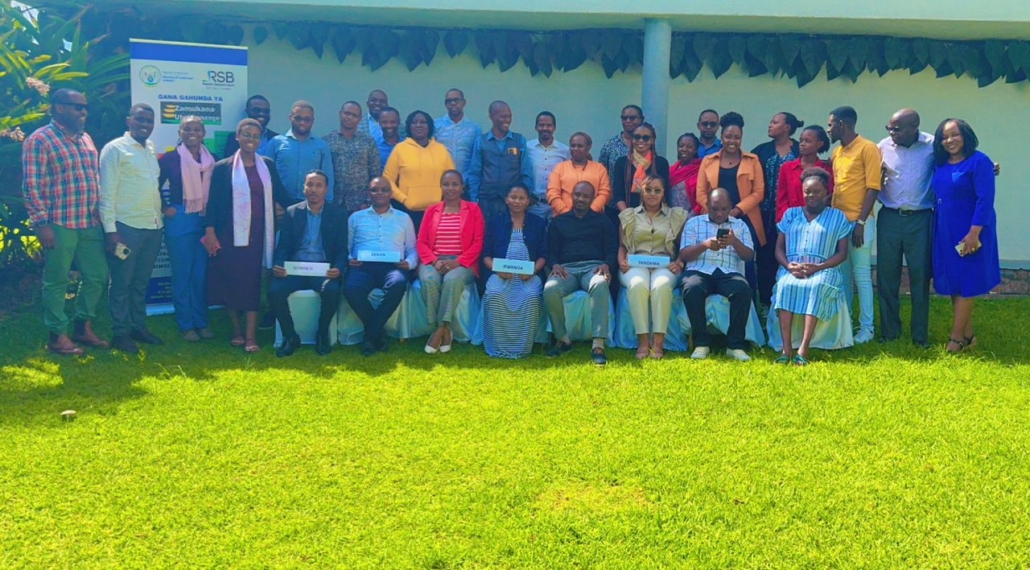
Delegates from East African member states—Kenya, Rwanda, Tanzania, Burundi, Somalia, Uganda, and South Sudan—convened in Kigali, Rwanda, from December 9 to 13, 2024, to advance the harmonization of food and nutrition standards in the region. This meeting marked a significant step toward improving food safety and nutrition outcomes across East Africa by aligning standards and fostering regional collaboration.

Among the key standards under discussion were the Fortified Wheat Flour, Fortified Maize Flour, Food Fortification Premix and Fortificants, Fortified Milled Rice Specifications, Bio-Fortified Dry Beans Specifications, and Supplementary Foods for the Management of Moderate Acute Malnutrition (MAM) for individuals above five years. These standards represent critical areas for addressing micronutrient deficiencies and promoting healthier diets in the region.

A significant milestone achieved during the workshop was the adoption of regional fortified rice standards. Once published, this will guide pioneer millers in fortifying rice and increasing access to fortified rice across the region. As one of the fastest-growing staples in East Africa, rice presents a powerful opportunity to combat micronutrient deficiencies, particularly iron and zinc deficiencies. With this harmonization, East Africa is taking bold steps to promote healthier, nutrient-enriched diets for its people.

Revisions were also made to the specifications for Fortified Wheat Flour and Fortified Maize Flour. These included excluding Kenya from mandatory fortification with Vitamin A and removing the upper limits for zinc and folates. These adjustments reflect the region’s efforts to ensure that fortification standards are both practical and context-specific, balancing nutritional goals with local capacities and requirements.

The harmonized draft East African standards will now proceed to the next phase of the standardization process. They will be circulated for public review to allow stakeholders to provide further comments and observations. Based on the feedback received, a technical harmonization and editing meeting will be convened to resolve any issues and finalize the drafts. Concurrently, the East African Standards Technical Committee Secretariat will issue a joint World Trade Organization (WTO) notification on the draft standards.

Following these steps, partner states will conduct a ballot to conclude the technical phase of the standard development process. If the ballot is successful, the draft standards will be submitted to the East African Community (EAC) for final approval and publication. This systematic process ensures that the harmonized standards are robust, inclusive, and reflective of the region’s shared goals for food safety and nutrition.

Key partners who provided technical expertise and support for this process included partner countries’ Ministries of Health, Bureaus of Standards, the World Food Program (WFP), TechnoServe (TNS), and the Global Alliance for Improved Nutrition (GAIN).

East Africa’s progress in harmonizing food and nutrition standards highlights the collective determination of member states to promote healthier, nutrient-enriched diets for their populations. By aligning efforts and fostering collaboration, the region is setting a strong foundation for improved food security and public health outcomes.

Story source Mildred Maingi | Program Specialist | Millers for Nutrition

Millers for Nutrition hosts National Training Program for Fortified Rice Blending Millers

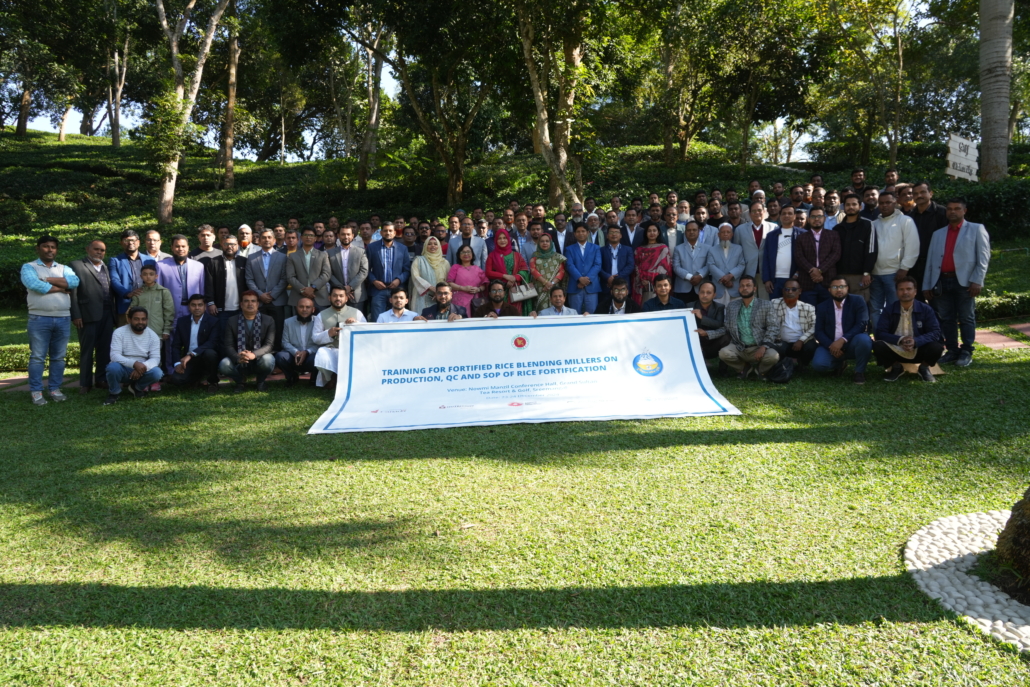
In a significant step towards improving nutrition in Bangladesh, Millers for Nutrition, in collaboration with the World Food Program (WFP) and Nutrition International (NI), organized a national-level training program for fortified rice blending millers. The two-day residential training, held in Sreemangal, Moulavibazar District, aimed to enhance the knowledge and skills of approximately 150 mill owners and managers on optimal blending of fortified rice.

The training focused on Good Manufacturing Practices, Quality Control, and Standard Operating Procedures to ensure the quality of fortified rice and its optimal blending ratio. Technical experts from TechnoServe, WFP, NI, and government officials from DG Food and DWA facilitated the training.

The event was graced by the presence of Director General of DWA, Ms. Keya Khan and Director of DWA, Zakia Afroz. The training program is part of a larger effort to address micronutrient deficiencies in Bangladesh, where rice is a staple food ¹.

By fortifying rice with essential vitamins and minerals, the program aims to improve the nutritional quality of food for vulnerable populations. The training will enable millers to produce high-quality fortified rice, which will be supplied to government social safety net programs, including the Food Friendly Program and Vulnerable Women Benefit Program.

Millers for Nutrition Coalition Launched in Balochistan, Pakistan to promote Food Fortification

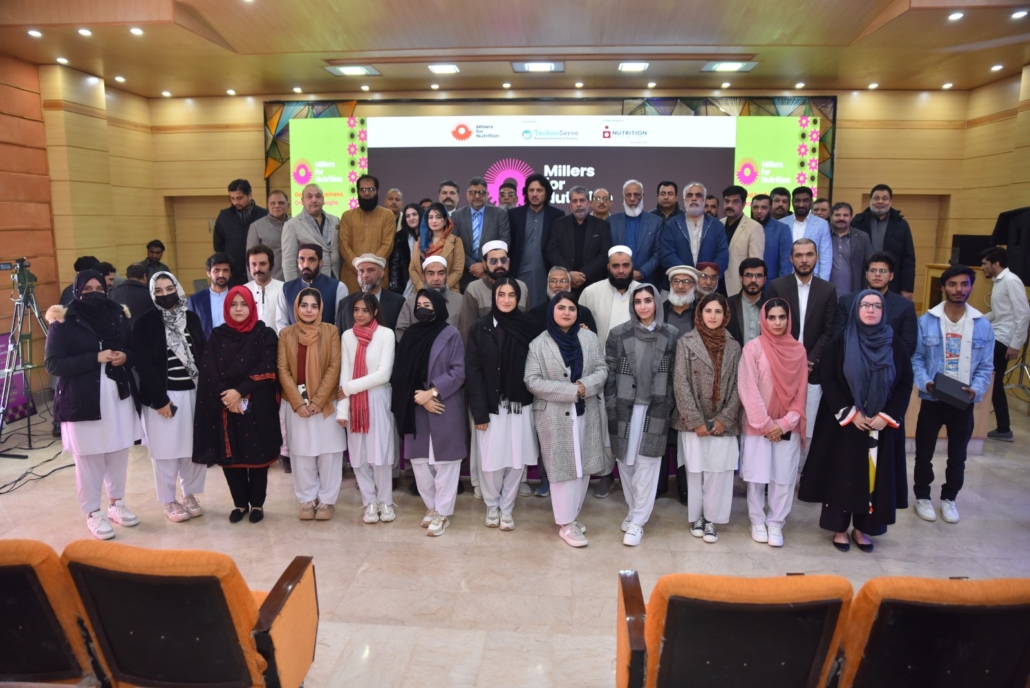
Quetta, Balochistan – TechnoServe, in collaboration with Nutrition International and Pakistan Flour Mills Association, launched the Millers for Nutrition initiative in Balochistan Province. The event aimed to introduce the coalition to key stakeholders in the milling industry and promote food fortification efforts in the region.

The launch event featured key presentations by Mr. Rizwan Yusufali, Program Director at TechnoServe, and Mr. Zameer Haider, National Program Manager at Nutrition International. They emphasized the importance of collaborative efforts to enhance nutritional standards and highlighted the benefits of the Millers for Nutrition coalition.

Mr. Yusufali presented a detailed outline of the coalition’s objectives and extended an invitation to millers across the province to engage in flour fortification initiatives. He addressed the importance of addressing malnutrition issues in Balochistan, where the situation is particularly concerning.

Mr. Haider provided a thorough overview of the Millers for Nutrition coalition and highlighted the benefits the industry would gain by joining this meaningful initiative.

The event was also graced by distinguished guests, including Professor Dr. Khalid Hafeez, Vice Chancellor of BUITEMS, who commended the initiative and emphasized the shared responsibility of addressing malnutrition issues.

Ms. Badruddin Kakar, Central Chairman of the Pakistan Flour Mills Association, expressed sincere gratitude to TechnoServe and Nutrition International for launching the initiative. He underscored the importance of food fortification as a cost-effective, high-impact intervention, reaffirming the industry’s unwavering commitment to producing fortified foods that improve the population’s micronutrient status.

The launch of the Millers for Nutrition coalition in Balochistan marks a pivotal step in strengthening collaboration among stakeholders in the milling industry and advancing fortification efforts in the region. The collective commitment of industry leaders signals promising prospects for improving public health through enhanced nutritional practices.

Big News! Fortified Wheat Flour is now available in open markets!

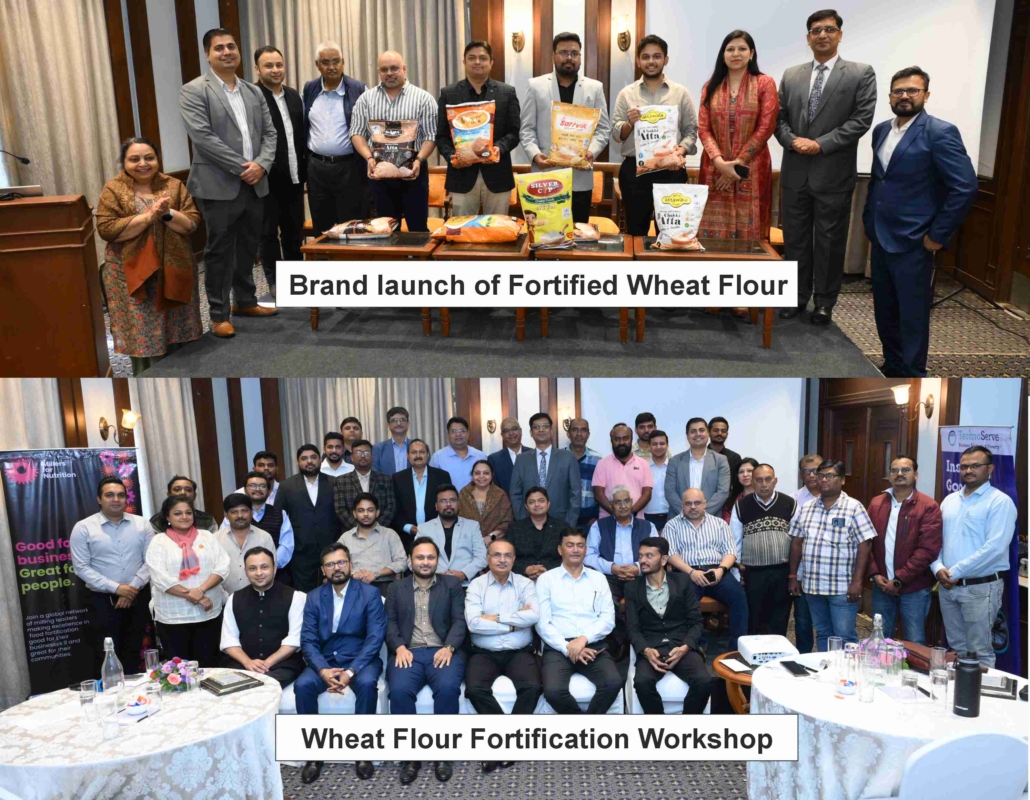
Ahmedabad, December 19, 2024 – In a significant move to address micronutrient malnutrition, Gujarat Roller Flour Millers Association (GRFMA), Fortify Health, and Millers for Nutrition held a joint training workshop on “Wheat Flour Fortification” in Ahmedabad.

The event brought together stakeholders from the food industry, government, and civil society to discuss ways to promote wheat flour fortification and increase fortified staple products in the market.

A key highlight was the launch of fortified wheat flour by several key millers affiliated with GRFMA. The products will be available in SKUs of 5 to 50 kg in open markets. The fortified flour will help combat malnutrition for the nation’s population. According to the World Health Organization and the Global Hunger Index, approximately 35.5% of children under five are stunted, while 18.7% are wasted. Furthermore, in India, anaemia affects nearly 50% of women, 25% of men, and 67% of children under five, while 60% of the population suffers from vitamin D deficiency and 20% of adolescents lack sufficient vitamin A. Hence prioritizing nutrition is essential; a well-nourished workforce sustains effective human capital, economic growth, and social progress. 

“We are committed to supporting this initiative, which has the potential to improve the health and well-being of millions of people in India,” said Mr. Vipul Rana, Designated Officer, Food Safety and Drug Administration.

The event featured presentations and interactive sessions with experts from the food industry, government, and civil society and offered millers an opportunity to share their experiences and challenges related to wheat flour fortification.

“Wheat flour fortification is a critical step towards combating micronutrient malnutrition in India,” said Mr. Ramesh Saraf, President, GRFMA. “We are committed to promoting this initiative and working with our partners to make fortified staple products widely available in the market.”