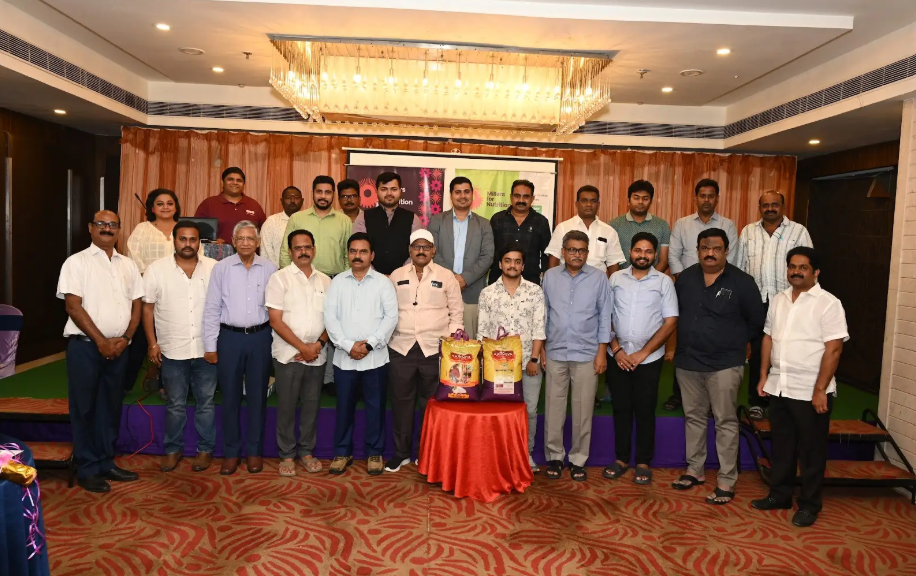
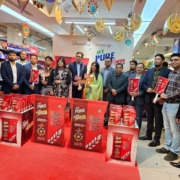
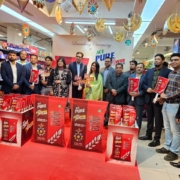
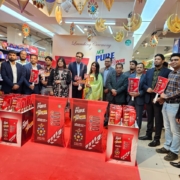
Kakinada, Andhra Pradesh —In a significant step toward improving nutritional security, Sri Padmalaya Rice Mill unveiled its new fortified rice brand, Aarogya, during the Rice Millers Round Table event held recently in Kakinada. The fortified rice is enriched with five essential micronutrients, aligning with India’s broader public health push to combat malnutrition. The millers roundtable brought together key stakeholders—including rice millers, nutrition experts, and government representatives—to assess the current landscape of rice fortification, address market challenges, and explore strategic opportunities for growth in the region.
Interest in fortified staples continues to grow, with several millers from Kolkata also announcing plans to introduce their own fortified rice and wheat flour brands in the near future. This marks a significant shift in the grain processing industry, as fortified foods gain traction not just in Andhra Pradesh but across the country. Keynote speakers at the event included Dr. Rajan Sankar, Senior Advisor at TechnoServe, and Judy Boucek, Nutrition Improvement Lead at dsm-firmenich. Both shared valuable insights on the science and policy of rice fortification, and emphasized its role in addressing micronutrient deficiencies among large segments of the population. “With fortified staples, we’re not just processing food—we’re delivering better health to millions,” said Dr. Sankar. “It’s encouraging to see millers stepping up and becoming partners in this important mission.”
As India accelerates its efforts to scale up rice fortification, initiatives like Aarogya serve as promising examples of how private sector players can contribute to national nutrition goals.
Stay tuned—more fortified brands are on the horizon as India’s staple food landscape continues to evolve toward better health and well-being for all.
https://millersfornutrition.com/wp-content/uploads/2025/04/Fortified-Rice-Launch.png576916Juliana Jacobhttps://millersfornutrition.com/wp-content/uploads/2023/12/Millers-For-Nutrition_Core-Logo_Orange-White_RGB-2.svgJuliana Jacob2025-04-14 17:16:462025-04-14 17:58:10Sri Padmalaya Rice Mill Launches ‘Aarogya’ Fortified Rice at Kakinada Round Table; Momentum Builds for Fortified Staples Across India
We’re proud to highlight Stanley Oluwasanmi Gbelee, Quality Assurance Manager at Eagle Flour Mills, Nigeria, as our Miller of the Month. Stanley and his team were recognized at the 2024 Micronutrient Fortification Index (MFI) Awards, where Eagle Flour Mills was celebrated for producing a top five fortified flour brand (Eagle Wheat Flour) in Nigeria.
What is your commitment to Food Fortification? My commitment to Food Fortification is a hundred percent. I believe it is my responsibility to ensure that the flour leaving our factory is adequately fortified, thereby helping to reduce micronutrient deficiencies among Nigerians. I have been a champion of food fortification for many years, even before it became mandatory in Nigeria.
Why did you decide to join Millers for Nutrition? As a Quality Assurance Manager, I understand that continuous learning is essential to ensure adequately fortified products. Joining Millers for Nutrition was an opportunity to strengthen my expertise. The platform equips me with up-to-date knowledge and best practices, enabling me to perform my role more effectively. Every training, resource, and discussion helps me improve our fortification processes and product quality.
What is your proudest achievement? We take great pride in customer satisfaction. My greatest professional joy comes from knowing that customers trust and enjoy Eagle Flour Mills’ products. When we visit markets and receive positive feedback, or when our customer care line receives no complaints or returns, it confirms we are on the right track. This achievement reflects not just our quality production, but also the positive impact of fortified products on households across Nigeria.
What would you tell other millers about joining Millers for Nutrition? Being part of Millers for Nutrition makes it easier to improve and maintain consistency in fortification. This helps sustain and strengthen fortification efforts, ensuring consistency. Furthermore, through the Micronutrient Fortification Index, Millers for Nutrition recognizes and celebrates millers who work diligently to make a difference. I strongly encourage other millers to become members to enjoy all these benefits and more.
https://millersfornutrition.com/wp-content/uploads/2025/04/Miller-of-the-Month-April-2025.png10801080Juliana Jacobhttps://millersfornutrition.com/wp-content/uploads/2023/12/Millers-For-Nutrition_Core-Logo_Orange-White_RGB-2.svgJuliana Jacob2025-04-03 18:45:552025-04-25 23:29:32April 2025 Miller of Month: Stanley Oluwasanmi Gbelee, Quality Assurance Manager, Eagle Flour Mills, Nigeria
Millers for Nutrition Bangladesh recently launched at the International Convention City Bashundhara (ICCB) in Dhaka. The event drew significant attention from the miller community, development sector, industry associations, and prominent industry leaders.
Chief Guest, Mr. S M Ferdous Alam, Director General of Bangladesh Standards & Testing Institution (BSTI) in his address stressed the importance of food fortification in improving public health and encouraged stakeholders to join Millers for Nutrition to help to strengthen “South-South Collaboration” amongst the Millers of Asia and Africa. The keynote address was delivered by Dr. Md. Taherul Islam Khan, Director of Bangladesh National Nutrition Council (BNNC). He highlighted the significance of staple food fortification in addressing malnutrition.
A panel discussion: “Fortified Futures: Unlocking the Potential of Staple Food Fortification in Bangladesh” featured industry experts, including Faria Yasmin, Sayed Julfiqur Mahmud, Mahbub Baset and Prof Dr. Gulzarul Aziz. The discussion, moderated by Dr. SM Mustafizur Rahman, highlighted several key challenges and solutions for promoting fortified staples in Bangladesh, including raising awareness about fortified rice and flour, addressing misconceptions about their “naturalness” and safety as well as improving the affordability of fortified foods
Panelists emphasized the need for mandatory rice fortification, government incentives, and collaborations with global organizations to support millers.The discussion also included the importance of ensuring nutrient stability and bioavailability in fortified foods, reducing testing lead times, and exploring local premix production to increase affordability and efficiency.
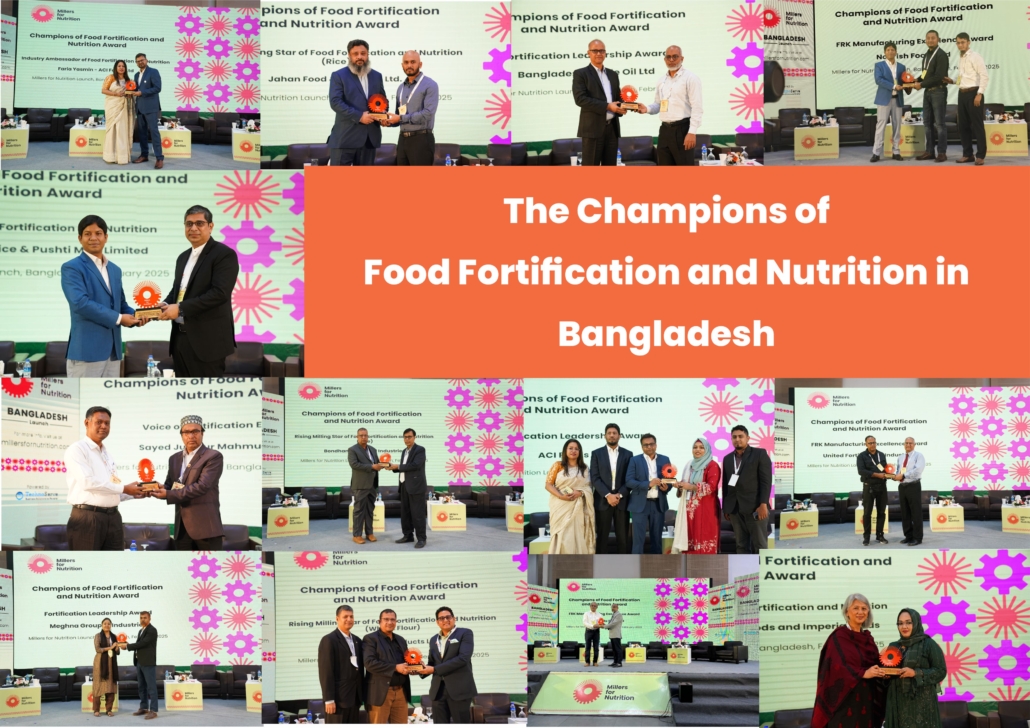
The event culminated with the announcement of the Champions of Food Fortification and Nutrition Awards, recognizing millers and brands driving positive change in India’s nutrition landscape. Awardees included:
Industry Ambassador of Food Fortification and Nutrition: Faria Yasmin, Chief Business Officer, ACI Foods Ltd.
Voice of Fortification Excellence: Sayed Julfiqur Mahmud, President, BFRMA
Woman Leader in Food Fortification and Nutrition: Dr. Naznin Afroz, Chairman, NK Foods and Proprietor, Imperia Foods
Champion Mill of Fortification and Nutrition: Ruposhi Flour, Rice & Pushti Mills Limited
Fortification Leadership Award: ACI Foods Ltd, Meghna Group of Industries, and Bangladesh Edible Oil Ltd.
Rising Milling Star of Food Fortification and Nutrition: IFAD Multi Products Ltd (Wheat Flour), Jahan Food & Agro Pvt. Ltd (Rice), and Bondhan Agro Food Industries (Rice)
FRK Manufacturing Excellence Award: United Fortification Industries, Kamal Auto Rice Mill, and Nourish Foods Ltd.
https://millersfornutrition.com/wp-content/uploads/2025/03/DSC06558-1-scaled.jpg17072560Juliana Jacobhttps://millersfornutrition.com/wp-content/uploads/2023/12/Millers-For-Nutrition_Core-Logo_Orange-White_RGB-2.svgJuliana Jacob2025-03-03 20:13:122025-03-03 20:13:16Millers for Nutrition Launches in Bangladesh, Pledges to Improve Nutrition Landscape
For New Boogaloo Limited of Tanzania, fortifying maize flour was initially a struggle. Despite having the right machinery and fortificants, the company faced challenges meeting rigorous quality benchmarks the Tanzania Bureau of Standards set.
“It was hectic and frustrating,” says Production Manager Secilia Katisha. “We had all the components, but the challenges persisted.”
The turning point came when Secilia attended a sectorwide training organized by Millers for Nutrition that focused on helping millers fortify staple foods like maize flour, wheat flour and edible oil. From the training, New Boogaloo was connected to industry experts and received targeted technical assistance.
“The assistance from Millers for Nutrition helped us a lot,” Secilia says. “We have a better understanding of the mixing process and since then, our products have successfully met all quality benchmarks.”
The impact of the technical assistance, including approval from the Tanzania Bureau of Standards, allowed the company to access new markets in Dar es Salaam and Mwanza, reaching more customers with fortified maize flour.
The company also realized significant savings.
“We had spent a lot of money on sampling, recruiting and training technicians and testing,” Secilia says. “Now, we are not only saving money but also working in peace. The training saved us time, money and a lot of stress.”
Beyond the financial benefits, employees gained a stronger sense of control over operations. “We are no longer worried about failing tests,” Secilia says. “If an issue arises, we know how to troubleshoot and solve it. Our employees are more confident, and production runs smoothly without interruptions.”
Secilia’s advice to other millers is clear: “Don’t waste time complaining or guessing what went wrong. Reach out to Millers for Nutrition for support. If I had known earlier, I could have solved our challenges much sooner.”
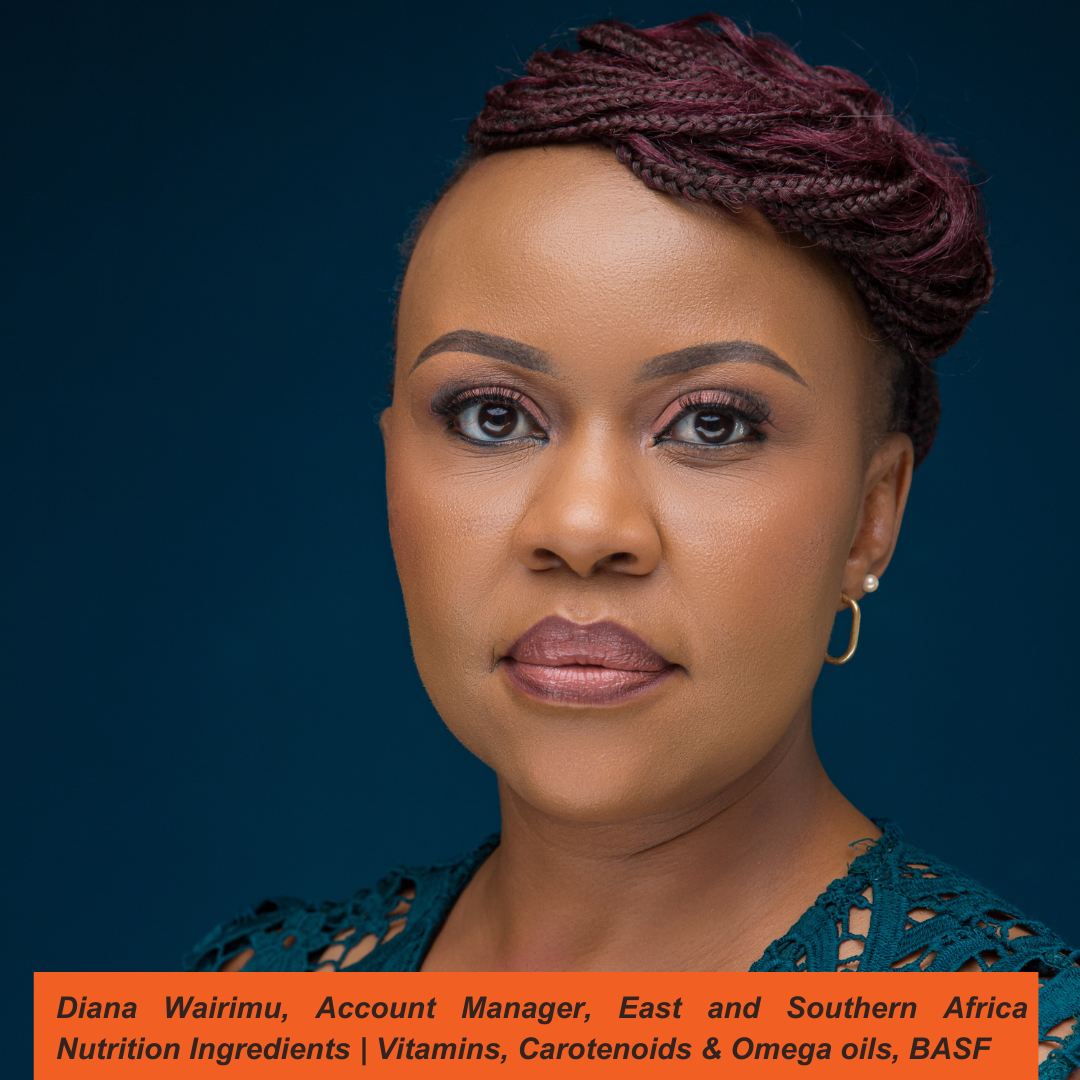
Strategic Fortification Partner, Diana Wairimu, Account Manager at BASF and food fortification advocate, talks about her inspiration, the importance of supporting millers, and how collaboration strengthens food systems.
What inspired you to join the food fortification journey?
My inspiration came from a combination of factors, including a commitment to public health, global nutrition goals, social impact, technological advancements, and the potential for collaboration.
Public Health: Food fortification is a cost-effective and sustainable strategy to improve public health by addressing micronutrient deficiencies. My inspiration came from a desire to combat malnutrition and its adverse health consequences, such as stunting, birth defects, and impaired cognitive development.
Global Nutrition Goals: Organizations like the World Health Organization and the United Nations have set global nutrition goals that include reducing malnutrition and eliminating vitamin and mineral deficiencies. My desire to join the food fortification journey aligned with these goals and provides an opportunity to contribute to global nutrition efforts.
Social Impact: Food fortification has the potential to make a significant positive impact on vulnerable populations, particularly in low-income countries. My inspiration to join the journey stemmed from the desire to contribute to the well-being of those who are most in need.
Can you share a specific example of how you’ve seen knowledge transform a miller’s operations?
One specific example of how QA/QC knowledge transformed an edible oil miller’s operations in food fortification is when the miller implemented a comprehensive quality control system to ensure the proper fortification of their edible oils with essential vitamins and minerals. Previously, the miller had no standardized process in place, leading to inconsistent fortification levels and potential health risks. With the implementation of QA/QC knowledge, the miller was able to establish strict testing protocols, monitor fortification levels throughout the production process, and verify the accuracy of the fortification equipment. This not only ensured the nutritional quality of their products but also improved consumer trust and compliance with food regulations.
What unique value did you find in being a part of Millers for Nutrition?
Collaboration and knowledge sharing: Being a part of this initiative allows millers to collaborate with other stakeholders, such as government agencies, NGOs, and public health organizations. This collaboration fosters knowledge sharing, best practices, and ongoing research and development in the field of food fortification in an environment where all stakeholders can participate freely.
March’s edition of Miller of the Month, focuses on Faria Yasmin, Chief Business Officer at ACI Foods & Commodity Brands, in Bangladesh.
ACI Food started fortifying oil in response to Bangladesh government mandates. What motivated the decision to also fortify rice and wheat flour, and how has the company’s commitment to fortification changed over time?
ACI has always been committed to improving the nutritional landscape of Bangladesh. While oil fortification was a regulatory requirement, we saw a larger opportunity in addressing micronutrient deficiencies through staple foods like rice and flour, which are consumed daily across all socio-economic groups.
Our motivation came from the high rate of malnutrition in Bangladesh, particularly the fact that 29% of children and 45% of women suffer from deficiencies in iron, zinc, folic acid, and vitamin A, which have long-term health and economic impacts. Given that rice is a staple for over 200 million Bangladeshis, ACI became the first to commercially launch fortified rice in the country. ACI’s rice portfolio is the most diverse in Bangladesh, offering a wide range of varieties tailored to different consumer preferences and socio-economic segments. We have already fortified three categories of rice with six essential nutrients and have several more fortified rice variants in the pipeline, targeting different types of rice for different consumer groups across various income levels. We strongly believe ACI Pure Fortified Rice would be a game changer in the industry for combating malnutrition in Bangladesh.
Similarly, fortified wheat flour provides another effective way to deliver essential nutrients to consumers. Recognizing the widespread consumption of wheat-based products in Bangladesh, we have recently launched ACI Pure Power Flour (Fortified Atta), enriched with 10 essential vitamins and minerals, including folic acid, iron, calcium, zinc, and key B vitamins. This fortified atta is designed to help address micronutrient deficiencies while ensuring consumers continue to enjoy their everyday meals without changing their eating habits.
Over time, our commitment has gone beyond just following rules, we now focus on educating consumers, keeping prices affordable, and building strong partnerships to make fortified foods a regular part of people’s diets. Our collaboration with NGOs, policymakers, and global nutrition initiatives reflects our long-term investment in food fortification as a sustainable business and public health solution.
What specific benefits or support have you received from Millers for Nutrition that have helped your business grow or improve?
Millers for Nutrition has been a great support in our fortification journey. They’ve helped us with technical guidance, making sure we get the right process for nutrient retention, blending, and quality control so that our fortified products actually make a difference. They also connected us with other millers, creating a space where we can share experiences, learn from each other, and tackle challenges together. This has been really useful in improving how we approach fortification.
Another significant contribution has been highlighting ACI’s fortification efforts internationally, ensuring our work in Bangladesh is recognized in global nutrition discussions. This has provided us with opportunities to showcase our initiatives, share our impact, and engage with international organizations working towards similar goals. They’ve also introduced us to global experts in food fortification, giving us access to the latest knowledge and best practices. This has helped us refine our products and stay updated on what’s working in other markets. Their support has helped us improve not just our fortified products but also our reach and impact. It’s been a valuable partnership that keeps pushing us forward.
Can you share any innovative marketing or promotional initiatives you’ve undertaken to raise awareness about fortified wheat flour and rice?
We have taken a 360 degree approach to raise awareness about ACI Pure Fortified Rice, ensuring consumers understand its importance in fighting malnutrition. We started with a television commercial (TVC) designed to connect emotionally with consumers, especially parents. The TVC highlights the importance of fortified rice in a child’s development and addresses the malnutrition problem in Bangladesh. The message reinforces how ACI Pure Fortified Rice can play a vital role in ensuring a healthier future for children and families, making nutrition a key priority for parents.
To further expand the message, we worked with social media influencers, nutritionists, and health-lifestyle advocates to engage with consumers online. Through educational videos, recipes, and expert discussions, we made fortification a relatable and easy-to-understand concept, helping people see how fortified rice can be incorporated into their daily meals.
In addition, we launched billboard campaigns in high-traffic areas, using clear, simple messaging to educate people about the benefits of fortified rice. Alongside this, we conducted market activation programs, where our teams directly interacted with consumers and retailers. Through face-to-face conversations, leaflets, and scientific data, we explained the importance of fortification, ensuring that both customers and shop owners understood how ACI Pure Fortified Rice could improve nutrition and overall health. By combining TVC, social media, outdoor advertising, and on-ground activations, we have created a strong and effective awareness campaign, making ACI Pure Fortified Rice a trusted choice for better nutrition.
What advice do you have for other millers?
Millers have a crucial role in improving nutrition through fortified staple foods, but the impact goes beyond just meeting regulatory requirements. Fortification should be seen as a long-term investment rather than a compliance obligation. It builds consumer trust, strengthens brand equity, and contributes to public health in a meaningful way.
One of the biggest challenges is consumer awareness. Without proper education, even the best fortified products can struggle to gain traction. It’s important to clearly communicate the benefits of fortified foods through packaging, advertising, and direct engagement with consumers. Simple messaging that explains how these products improve health can make a real difference in adoption.
Collaboration is also key. Working with government bodies, NGOs, and industry alliances can help expand fortification efforts and ensure they are financially viable and widely accepted. At the same time, maintaining quality and transparency is essential. Consumers need to trust that fortified products deliver the promised nutritional benefits.
The future of food fortification in Bangladesh depends on collective action. By working together, millers can play a pivotal role in transforming the country’s nutrition landscape, making fortified foods a regular part of everyday diets.
https://millersfornutrition.com/wp-content/uploads/2025/03/March-MoM-1.jpg10801080Juliana Jacobhttps://millersfornutrition.com/wp-content/uploads/2023/12/Millers-For-Nutrition_Core-Logo_Orange-White_RGB-2.svgJuliana Jacob2025-03-03 19:08:052025-03-12 14:28:33March 2025 Miller of Month: Faria Yasmin, Chief Business Officer, ACI Foods & Commodity Brands, Bangladesh
https://millersfornutrition.com/wp-content/uploads/2025/02/WhatsApp-Image-2025-02-16-at-16.13.07-1.jpeg9601280Namrata Kainturahttps://millersfornutrition.com/wp-content/uploads/2023/12/Millers-For-Nutrition_Core-Logo_Orange-White_RGB-2.svgNamrata Kaintura2025-02-18 20:41:022025-02-18 20:43:04The Business Standard – ACI Pure Flour launches fortified flour enriched with 10 vitamins, minerals
In a pivotal move to combat widespread micronutrient deficiencies, Millers for Nutrition is partnering with key stakeholders in Kenya and Tanzania to roll out innovative food fortification campaigns. In Kenya, where the Ministry of Health and the Global Alliance for Improved Nutrition (GAIN) lead the initiative, Millers for Nutrition recently attended a communications workshop that included government officials, nutrition experts, and industry leaders.
Similarly, in Tanzania, Millers for Nutrition and GAIN are working together to integrate communications professionals with technical experts, ensuring effective messaging to support national fortification strategies.
This collaborative approach underscores the critical role of stakeholder engagement in scaling food fortification efforts with millers playing a pivotal part in improving public health outcomes through the fortification of staple foods like maize flour, wheat flour, and edible oils.
Micronutrient deficiencies remain a significant public health challenge, affecting millions of people, limiting their potential for growth and development. Food fortification is an efficient and cost-effective solution that offers national populations access to a nutritious diet through staple foods already being consumed. By enhancing the quality of foods, millers play a direct role in improving health outcomes and supporting national development goals.
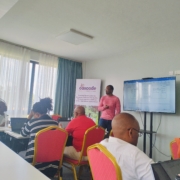
The workshop in Nairobi brought together a diverse range of government and fortification stakeholders to deliberate how best to roll out a national fortification campaign that would be effective in communicating the benefits of consuming adequately fortified foods. County health officials shared insights from local communities, while Ministry of Health representatives outlined how stakeholders can align efforts with national health priorities and policies.
“Communications expertise is essential to translating complex technical information into clear, actionable messages,” said Dr. Brenda Obura, head of food safety at Kenya’s Ministry of Health. “When we get the messaging right, we can effectively drive behavior change and improve health outcomes. This is particularly true for food fortification, where public understanding and acceptance are crucial to success.”
Following the workshop is a process to test campaign content with diverse audiences. Millers for Nutrition will support the effort by reviewing communication materials and participating in campaign planning.
https://millersfornutrition.com/wp-content/uploads/2025/02/IMG20250122123300-1-scaled.jpg25601928Juliana Jacobhttps://millersfornutrition.com/wp-content/uploads/2023/12/Millers-For-Nutrition_Core-Logo_Orange-White_RGB-2.svgJuliana Jacob2025-02-07 11:46:262025-02-07 11:46:30Stakeholders Unite to Develop Food Fortification Communication Campaign