Building Model FRK Units: A Food Safety Management System Approach
TechnoServe, a global non-profit organization active in nearly 30 countries, is implementing the Inspiring Good Nutrition Initiatives Through Enterprise (IGNITE) program to promote large-scale food fortification. TechnoServe has launched a groundbreaking initiative to establish Model Fortified Rice Kernel (FRK) units equipped with Food Safety Management Systems (FSMS) and ISO 22000 certification to enhance and sustain the quality of fortified rice kernels supplied through the Public Distribution System (PDS).
The project led by Abhishek Shukla, Country Program Manager – IGNITE India, envisions establishing six model FRK units in its initial phase, namely AJ Industries (Raipur), Creative Nutrition (Hyderabad), Shri Poornima Agro (Lucknow), Fortfit Food (Kolkata), Gandhi FRK (Fatehpur), and SVHG Agri Solutions LLP (Sangareddy). These units will serve as benchmarks, providing a platform for nearby FRK manufacturers, Centers of Excellence (CoEs), Technical Support Units (TSUs), and government delegations to visit, learn, and adopt international best practices in fortification, FRK manufacturing, food safety, and quality. As more FRK units join this journey, the impact will continue to grow — building trust, improving nutrition, and ensuring safer food for all.
Survey Insights and Challenges Identified (GAP Assessment)
A detailed survey across West Bengal, Uttar Pradesh, Chhattisgarh, and Telangana identified six key sites for the establishment of model units. The survey highlighted critical challenges such as:
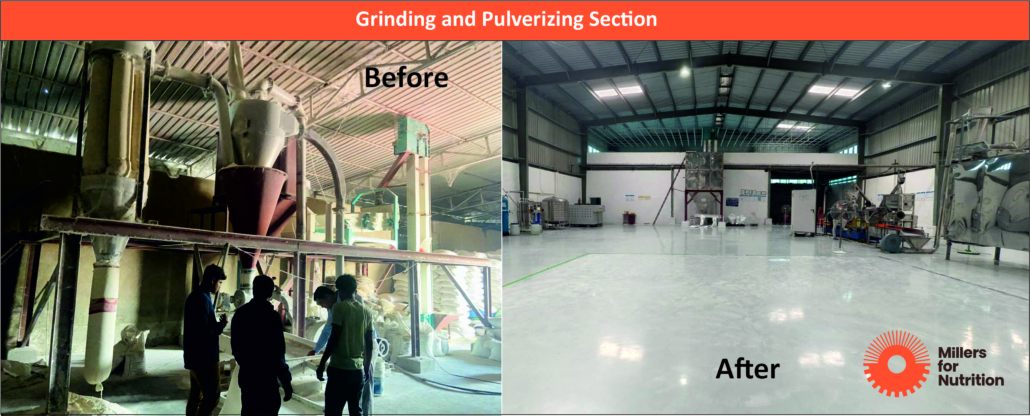
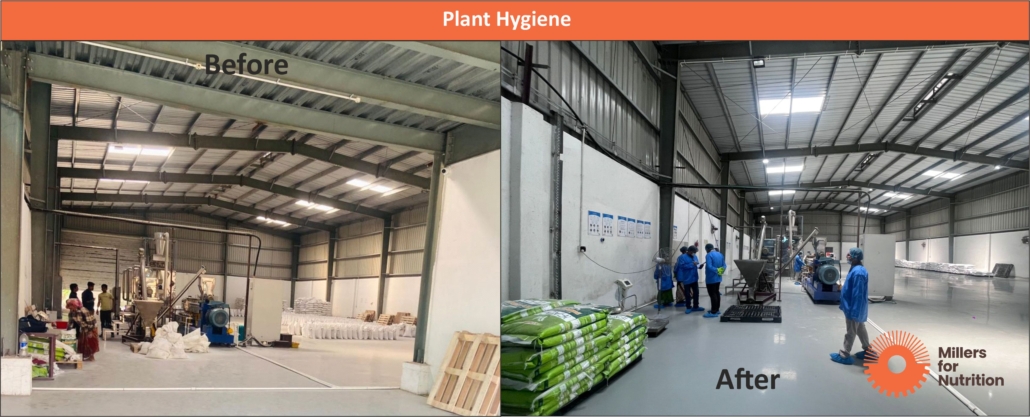
1. Infrastructure & Facility Management
- Inadequate infrastructure and storage conditions
- Gaps in maintenance and cleanliness
- Poor ventilation, lighting, and temperature control affecting product safety
- Lack of proper waste disposal leading to cross-contamination risks
2. Hygiene & Sanitation
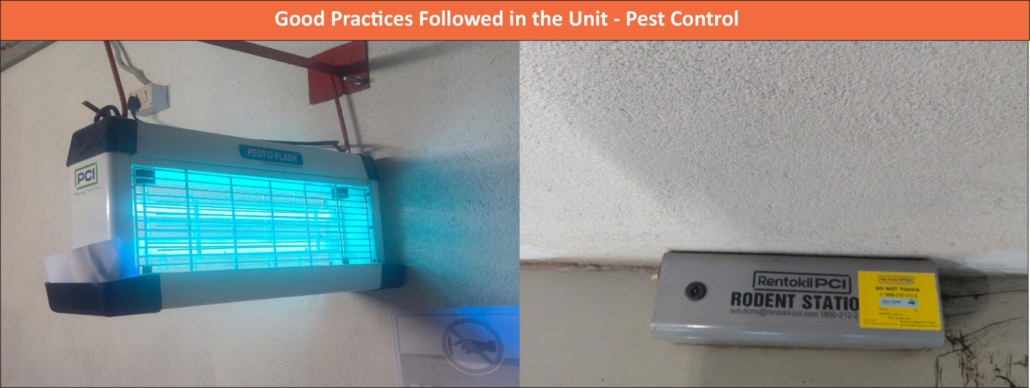
- Weak hygiene, sanitation, and pest management practices
- Limited awareness of personal hygiene protocols
- Absence of proper cleaning schedules and monitoring systems
- Inadequate training on food safety practices for workers
3. Systems & Process Control
- Insufficient implementation of documented systems
- Lack of control at critical points increases wastage and chances of defective batches
- No proper traceability or recall system in case of defective products
- Inconsistent calibration and maintenance of equipment leading to quality variations
4. Product Quality & Compliance
- Fortified kernels may have inconsistent nutrient levels and higher chances of contamination
- Variation in product appearance (size, shape, color) leading to consumer rejection
- Reduced shelf life and stability of fortified kernels due to poor handling
- Non-compliance can lead to audit failures, regulatory penalties, and loss of buyer trust
Addressing these areas is central to ensuring both the nutritional value and safety of fortified rice.
Building Capacity and Food Safety Culture
To strengthen systems sustainably, training programs are being conducted for employees at all units. These sessions focus on:
B
Building Capacity
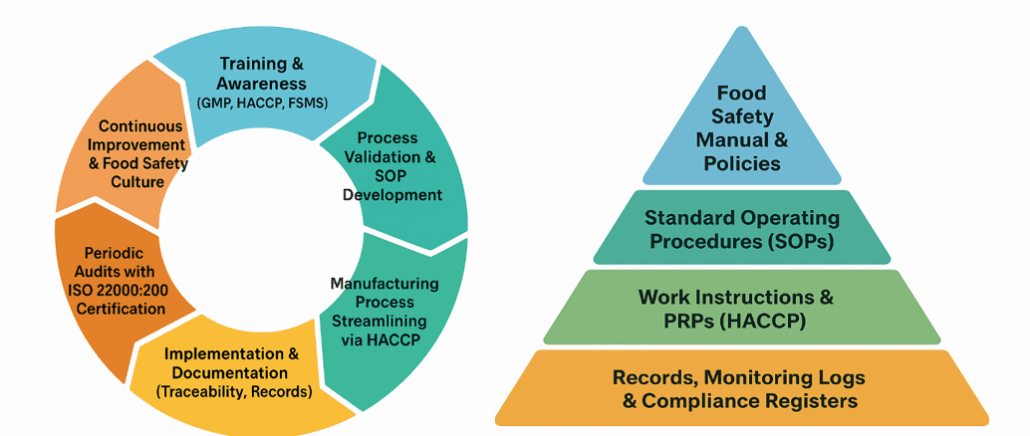
- Development of standard operating procedures (SOPs) for each critical process step.
- Process validation to ensure consistent and safe FRK production.
- HACCP-based manufacturing process streamlining through structured training and documentation.
- Identification and implementation of Critical Control Points (CCPs), Operational Prerequisite Programs (OPRPs), and Prerequisite Programs (PRPs) to improve and sustain product quality.
- Establishing traceability and documentation systems for raw material to finished product.
- Periodic audits and mock drills (e.g., product recall exercises) to test system readiness.
- Capacity building of quality control teams with modern tools and testing methods.
- Regular training programs for workers, supervisors, and management on GMP, HACCP, and FSMS.
- Engagement with external experts and regulatory bodies for continuous learning.
Fostering Food Safety Culture
- Leadership commitment – management leading by example in prioritizing food safety.
- Promoting accountability at all levels – every worker responsible for hygiene and safety.
- Encouraging reporting of issues without fear of blame to ensure proactive problem-solving.
- Displaying food safety awareness posters and visual reminders across the unit.
- Recognition and reward systems for staff adhering to good food safety practices.
- Building a “safety-first mindset” where product quality and consumer health take precedence over speed or cost.
Such capacity building ensures that food safety becomes part of the organization’s culture, not just a compliance requirement.
FSMS and ISO 22000 Implementation

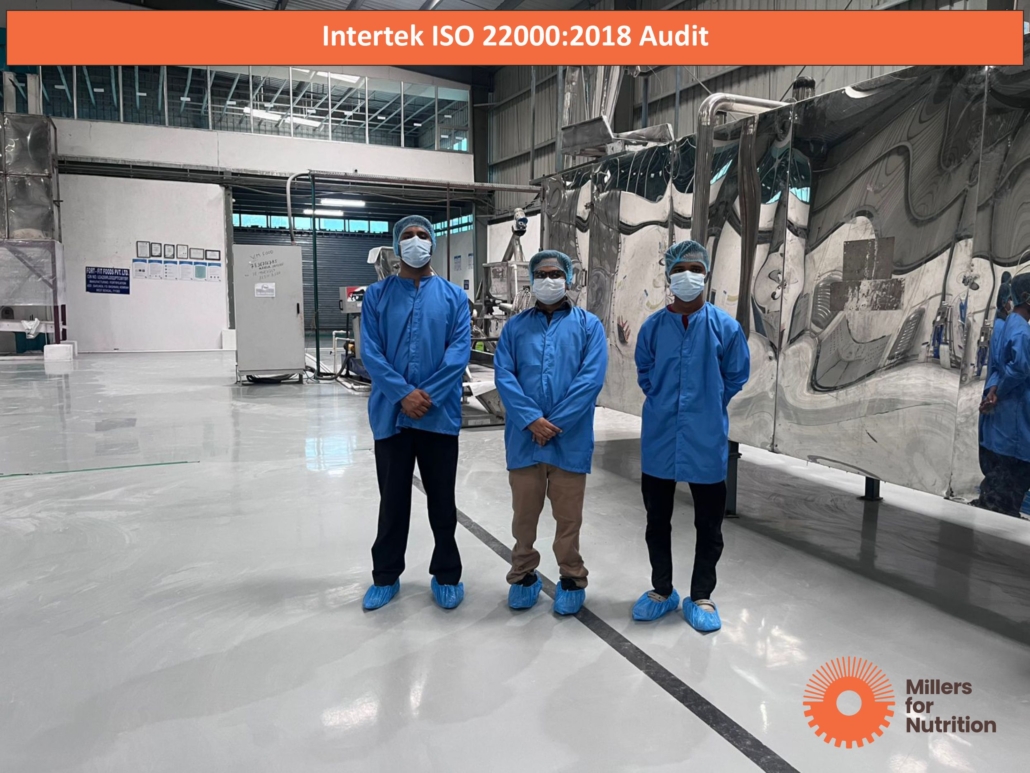
Through Normes Decodees’ expertise in consulting, auditing, and training, FRK units are being guided to achieve ISO 22000 certification, creating a structured framework for:
- Hazard identification and risk control
- Consistent quality assurance across production
- Regulatory compliance at both national and international levels
- Increased consumer confidence and market credibility
- Enhanced efficiency through reduced waste and better process control
- Development of robust documentation and SOPs at different levels
Nutritional and Public Health Impact of FRK
By embedding Food Safety Management Systems (FSMS) into day-to-day operations, fortified rice kernel production achieves long-term reliability, sustainability, and public health impact.
The adoption of fortified rice kernel under FSMS ensures:
- Consistent Nutritional Value during production – Uniform enrichment with iron, folic acid, and vitamin B12 to ensure reliable nutritional benefits
- Improved Public Health Outcomes – Reduction in anemia and micronutrient deficiencies among vulnerable populations.
- Sustainable Health Gains – Strengthened immunity, cognitive growth, and overall well-being.
- Cost-Effective Nutrition Delivery – A scalable, affordable approach without requiring dietary changes.
- Stronger National Nutrition Programs – Supporting the Public Distribution System (PDS) and government-led initiatives.
ISO 22000-certified FRK units further safeguard nutrient stability and quality consistency through rigorous monitoring, validation, and control measures.
Vision for the Future
“The integration of FRK Manufacturing with ISO 22000 standards positions these Model FRK units as Centers of Excellence. These facilities not only demonstrate compliance and quality but also serve as models to inspire other FRK Units to adopt structured food safety practices”. says Abhishek Shukla, the driving force behind implementing robust Food Safety Management Systems in select FRK units across India’s major rice-producing states.
With continuous training, infrastructure strengthening, and robust FSMS adherence, the partnership between TechnoServe and Normes Decodees is driving a transformation of the fortified rice sector into a trusted, efficient, and sustainable industry.
This initiative reflects a shared commitment to advancing nutrition, food safety, and public health—paving the way for India’s fortified rice production to align with the highest global standards.