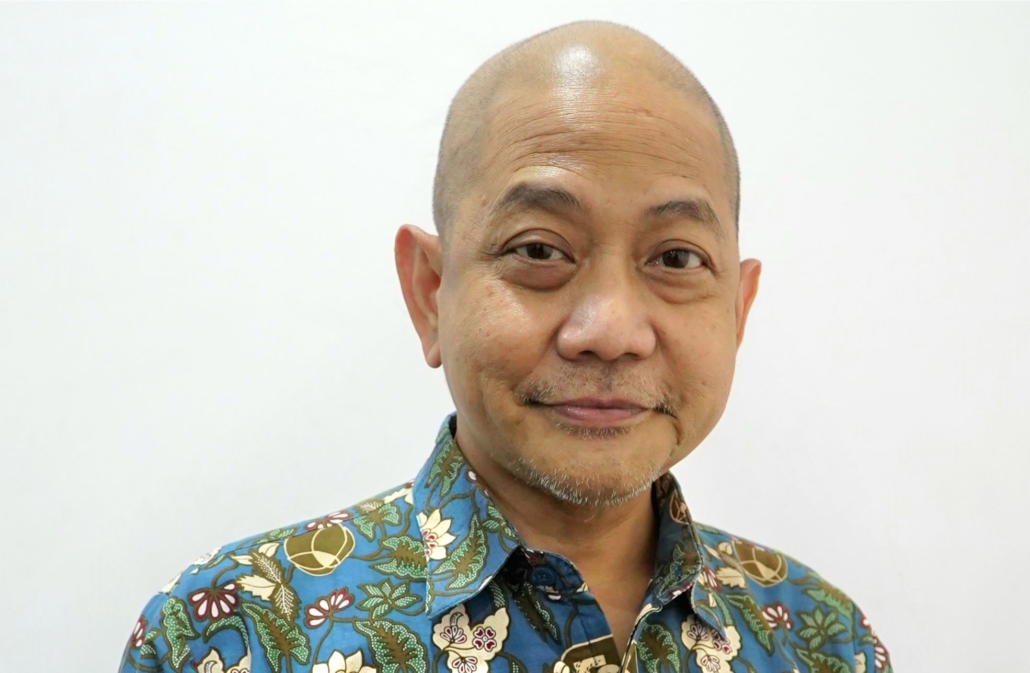
Miller of the Month – Yanee Lasahido, Head of Research & Product Development, PT. Food Station Tjipinang Jaya (PERSERODA), Indonesia
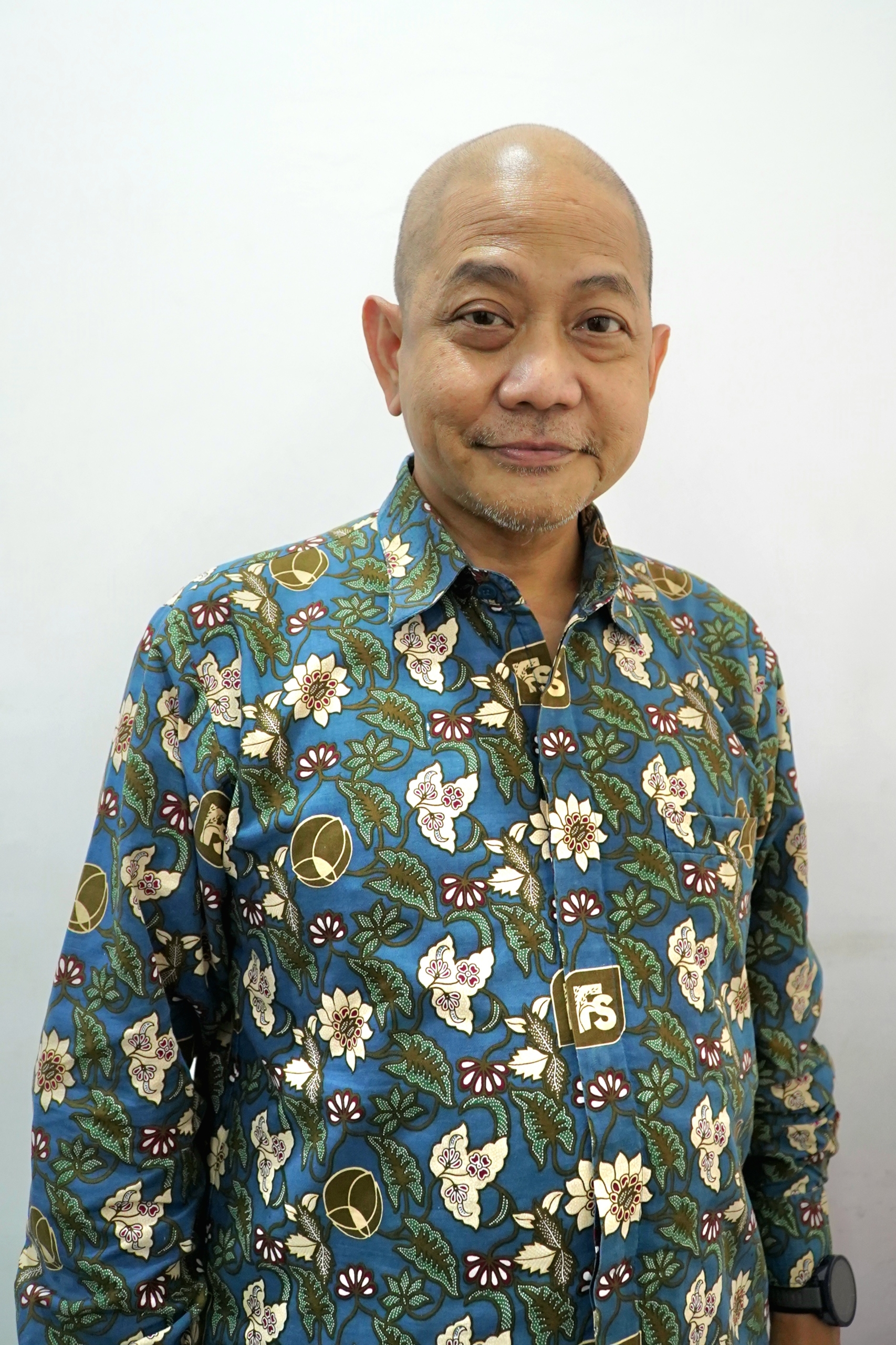
Food Station has a mandate of providing staple foods to the residents of Jakarta, for example through the Pangan Murah Bersubsidi Program. Do you think there is a place for fortified rice in this program, and how would that benefit the Food Station’s mission?
The Subsidized Food Program is a social safety net program for the people of Jakarta that is budgeted by the Jakarta Provincial Government and implemented by BUMD Food Station throughout the year. If we look at the Food Law No. 18/2012, which regulates and ensures the consumption of safe, quality and nutritionally balanced food. This means that food provision for the community is not only calorie-based but also nutritious. Thus, the answer is that fortified rice is a choice that makes sense provided that the price of the rice is not higher than the applicable price ceiling and has a clear purpose, for example increasing immunity or reducing anemia. Converting regular premium rice into special medium rice / fortified rice is very possible as long as this is approved by the Governor.
Can you share the challenges and successes you’ve faced during the launch of your fortified rice product, and what lessons have you learned along the way?
From the beginning, we realized that the biggest challenge in fortified rice is the higher price of regular rice; public awareness of health and knowledge about fortified rice is still minimal. For other technical matters such as FRK providers, I think it can be done gradually and the technology already exists. While the demand from the government is not yet open, we are testing this product in commercial areas with the aim of getting insight as well as introducing this rice to the public. To reach people who are vulnerable to health (underprivileged), government intervention is needed. The government must be a demand creator from regional to national scale. We also adjusted the marketing communication of this product by approaching the community of mothers who care about their children’s health. It can’t be fast, but we see a better awareness of this product. At this stage, seeing a change in awareness in the community, even if it is limited, is very promising. We are well aware that this is a process.
How do you see fortified flour rice contributing to addressing micronutrient deficiencies in Indonesia, and what role do you think millers play in ensuring nutrition security?
If we look at some existing studies from international or local, fortified rice should be a reasonable option. Besides being efficient, it can reach the public widely and quickly, considering that rice is the staple food of most people in Indonesia.
I think all rice will definitely go through a rice mill, from this alone we can know that rice mills play a very strategic role in delivering food quality that is not only good in appearance but also meets good nutritional criteria. I think rice mills need to get intense technical guidance or some workshop in order to produce fortified rice with more proper results.
What collaborations or partnerships has Food Station formed to support its fortification efforts, and how can millers work together to promote nutrition and fortification?
From the beginning we also realized that this fortified rice will be useful for many people. We realize that rice ii must be produced in each region, not necessarily in Jakarta. Therefore, in addition to producing, we also collaborate with many parties including millers, FRK producers, blend/mixer machine providers, including BUMDs and Provincial and District Governments who visit and conduct comparative studies at Food Station to introduce fortified rice and how to make it. Our Rice Mill Unit and blending machine at Cipinang site are also open for comparative studies. We hope that the information about fortified rice can be better absorbed and start thinking about implementing it in their respective regions. Incidentally, the Jakarta Provincial Government also has an inter-regional cooperation program and through this office we can discuss and socialize fortified rice to overcome stunting and other health problems in their respective regions. This can also be collaborated with universities.
Going forward, what are your plans for expanding fortified rice production and distribution, and what message would you like to share with our readers about the importance of fortification?
Currently, awareness about fortified rice is starting to grow among rice entrepreneurs, but this is not enough. Because the awareness of fortifying their products, especially rice, is a long-term result and not just a matter of business. For us, this is a statement that it is the people’s right to live a healthy life and we are trying to deliver it. We are well aware that this is like running a marathon, we must have enough energy to achieve this goal. We will continue to socialize this to production partners, namely rice mills under our guidance, in collaboration with modern retail outlets and traditional markets as well as Provincial and district governments through the Food Security Office and their respective regionally-owned enterprises.